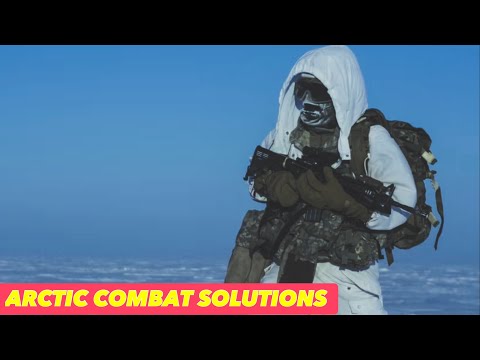
Cold Weather Layering Part 3: How to Choose an Insulation Layer

Published on March 30, 2023
Duration: 21:14

This guide, drawing on expertise from Spiritus Systems, details how to select and utilize insulation layers for cold weather operations. It emphasizes understanding the difference between active and belay insulation, the pros and cons of down versus synthetic fills, and the importance of proper sizing for tactical gear. Key takeaways include avoiding cotton, leveraging vests for active warmth, and choosing insulation weight based on environmental conditions.


Quick Summary

Choose insulation layers wisely for cold weather: avoid cotton, understand active vs. belay jackets, and differentiate fill power (loft) from fill weight (warmth). Synthetic insulation like Primaloft offers better wet-weather performance, while down excels in dry conditions for warmth-to-weight and compressibility. Ensure belay jackets fit over tactical gear.

Chapters

  1. 00:00Introduction to Insulation Layers
  2. 00:31The Mid-Layer Misconception
  3. 01:10The Belay Jacket Concept
  4. 01:55Active Insulation
  5. 02:29Materials to Avoid: Cotton
  6. 03:42Synthetic Hybrid Jackets
  7. 05:08The Puffy Vest
  8. 06:27Down Insulation Pros and Cons
  9. 07:24Understanding Fill Power vs. Fill Weight
  10. 09:50Synthetic Insulation Advantages
  11. 11:01Insulation Weight Categories
  12. 12:00Sizing for Tactical Use
  13. 14:30Specific Jacket Models
  14. 17:20Leg Insulation

Frequently Asked Questions

What is the difference between active insulation and a belay jacket?

Active insulation is designed for use during moderate activity in cold weather, focusing on breathability to prevent overheating. A belay jacket is an oversized, ultra-warm layer intended to be thrown over everything during static periods to prevent chilling, often fitting over tactical gear.

Why is cotton a poor choice for cold weather insulation?

Cotton is unsuitable for cold weather insulation because it loses all its insulating value when wet, becomes heavy and bulky, and is not easily compressible for packing. Wet cotton significantly increases the risk of hypothermia.

How do Fill Power and Fill Weight affect insulation warmth?

Fill Power measures the loft and efficiency of insulation (higher is better), indicating how much air it traps. Fill Weight is the actual amount of insulation material. A jacket with high fill power but low fill weight might be less warm than one with more fill weight.

What are the advantages of synthetic insulation over down?

Synthetic insulation, such as Primaloft, retains over 90% of its warmth even when wet, making it more reliable in damp conditions. It is also generally more durable and less prone to damage from moisture than traditional down.

More Tactical & Gear Videos You Might Like

More from SpiritusSystems

View all →