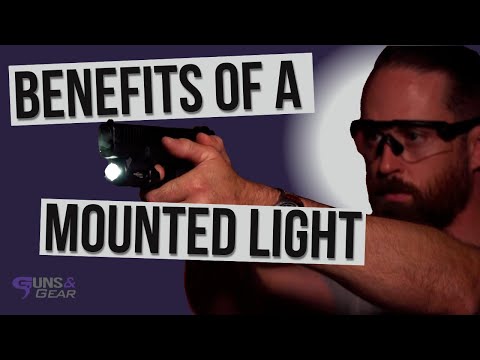
HARD TRUTH MONDAY ... Y'ALL WERE RIGHT. Fine. Whatever.

Published on May 16, 2022
Duration: 5:11

Paul Harrell discusses practical considerations for home defense lighting and the effectiveness of extremely high-lumen flashlights. He advises against overly bright lights (20-30k lumens) for self-defense scenarios, suggesting 200-300 lumens are more practical to avoid temporary blindness and deafness. The video also touches on the perceived 'cringe' factor of Punisher skull imagery in firearm culture and briefly mentions the Buffalo incident as a potential false flag.

Quick Summary

For home defense, avoid extremely high-lumen flashlights (20k-30k lumens) which can cause temporary blindness and deafness. A practical range of 200-300 lumens is recommended. Test your light by letting your eyes adjust to darkness for 20 minutes, then shining it on a white wall to assess its impact.

Chapters

  1. 00:45Sponsor: Hidden Hybrid Holsters
  2. 01:15Personal Anecdote: Duke Shirt
  3. 01:50Hard Truth #1: Buffalo Incident Speculation
  4. 02:45Hard Truth #2: Punisher Skull Imagery
  5. 03:29Hard Truth #3: Home Defense Lighting
  6. 04:05Flashlight Brightness Test Advice
  7. 04:28Ear Protection Consideration
  8. 04:45Concluding Thoughts

Frequently Asked Questions

What is the recommended lumen range for home defense flashlights?

For home defense, extremely high lumen flashlights (20,000-30,000 lumens) can be counterproductive. A more practical range is between 200 and 300 lumens, providing sufficient light without causing temporary blindness or disorientation.

How can I test if my flashlight is too bright for home defense?

To test your flashlight, let your eyes adjust to darkness for about 20 minutes. Then, shine the light on a white wall and observe its effect. This will help you gauge if a very bright light is actually beneficial or detrimental in a low-light scenario.

What is the speaker's opinion on Punisher skull imagery?

The speaker finds Punisher skull imagery to be 'hard cringe' and believes it makes the broader firearm community look unprofessional or nonsensical. He advises against displaying it on vehicles or clothing.

What are the potential dangers of firing a weapon in a confined space at night?

Firing a weapon in a confined space at night can lead to temporary blindness and deafness due to the muzzle flash and concussive force. This disorientation can be dangerous if you need to immediately navigate or secure your surroundings, such as finding children.

Related News

All News →

More Tactical & Gear Videos You Might Like

More from Paul Harrell

View all →