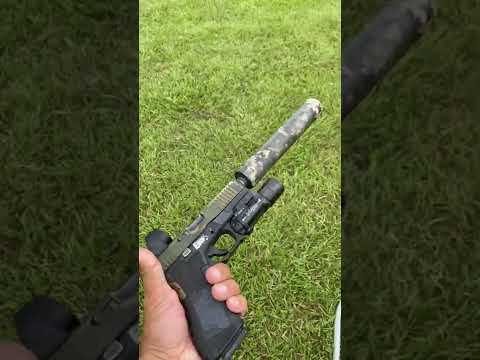
Heavily Used 11.5 Battle Blaster | The Rifle of a Shooter and Prepared Citizen

Published on March 30, 2025
Duration: 53:08

This video features Dion, a shooter with 10 years of experience, detailing his heavily used 11.5-inch AR-15 'workhorse' rifle. The discussion covers component choices, reliability tuning, and practical application, emphasizing the importance of quality barrels, bolt carrier groups, and buffer systems for optimal firearm performance. The build highlights a preference for durable, proven parts over trendy or overly complex solutions, with a focus on functionality and user experience.

Quick Summary

For an AR-15's reliability, prioritize a quality barrel, bolt carrier group (BCG), and buffer system. These are the 'heart' of the rifle. A heavier buffer, like an H3, can also improve an over-gassed system by slowing bolt speed and mitigating ejection issues, especially with suppressors.

Chapters

  1. 00:00Introduction & Build Overview
  2. 01:41Wet Works Dagger 2 Plate Carrier Review
  3. 03:40Dion's 11.5" Fighting Rifle: The Workhorse
  4. 04:43Muzzle Device & Suppressor: Otter Creek Labs Pslonium
  5. 05:22Handguard: BCM MCMR
  6. 07:49Barrel & Gas System: Noveske 11.5" Commando
  7. 10:42Rail Accessories: Rail Scales & Grip Philosophy
  8. 13:19Laser Module: PEQ-15 Full Power
  9. 15:28Switch Configuration: Modlite Ramp & Standard
  10. 18:35Weapon Light: Modlite OKW with Surefire Cap
  11. 19:48Light Bar: Arisaka & Shadow Considerations
  12. 21:25Sling Mount: BCM QD Socket
  13. 22:40Optics Setup: EOTech EXPS3-0 & G45 Magnifier on Unity
  14. 23:22Thermal Clip-On: Trigger Ski IRX & Unity Mount
  15. 29:56Bolt Carrier Group: Colt BCG
  16. 32:41Upper & Lower Receiver: Aero Precision
  17. 32:41Charging Handle: Axis (Radian Predecessor)
  18. 34:24Trigger: Geissele Super Dynamic Combat
  19. 34:51Buffer System: Geissele Super 42 (H3)
  20. 35:09Magazine Release: Magpul Oversized
  21. 38:51Safety Selector & Reloading Philosophy
  22. 40:51Grip: BCM Gunfighter & Compartment Storage
  23. 45:43Final Build Advice: Barrel, BCG, Buffer System
  24. 47:15Element Training Complex Overview
  25. 48:35Encouraging Word: Psalm 18

Frequently Asked Questions

What are the most critical components for an AR-15's reliability?

According to experienced shooters, the most critical components for an AR-15's reliability are the barrel, bolt carrier group (BCG), and buffer system. These parts form the 'heart' of the rifle and directly impact its ability to cycle and function consistently under various conditions.

How can I improve the reliability of an over-gassed AR-15?

To improve an over-gassed AR-15, consider using a heavier buffer system, such as an H3 buffer. This slows down the bolt speed, which can help mitigate ejection issues and reduce recoil, especially when using a suppressor or on short-barreled rifles.

What is the advantage of direct threading a suppressor on an AR-15?

Direct threading a suppressor, like the Otter Creek Labs Pslonium, to the barrel offers several advantages. It eliminates the need for a separate muzzle device and hub, which saves weight and prevents potential Point of Impact (POI) shift, ensuring the suppressor lives on the gun without altering its zero.

Why is a heavier trigger pull sometimes preferred over a very light one?

A slightly heavier trigger pull, like the Geissele Super Dynamic Combat trigger, can enhance safety and prevent accidental discharges. Very light triggers can sometimes lead to bump-firing during recoil, where the firearm fires again without conscious intent due to the trigger resetting and hitting the shooter's finger.

Related News

All News →

More Tactical & Gear Videos You Might Like

More from Barrel & Hatchet

View all →