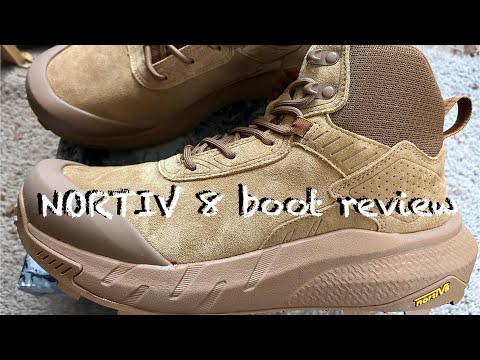
How to Choose Tactical Boots

Published on October 14, 2023
Duration: 16:51

Choosing tactical boots depends heavily on environmental conditions, not a single 'best' model. Key considerations include waterproofing needs based on temperature and moisture, midsole material (EVA for comfort vs. PU for durability), outsole stiffness for terrain, and lacing systems for reliability. Proper fit and a break-in period are crucial for comfort and performance in adverse conditions.

Quick Summary

Environmental factors like terrain and climate dictate tactical boot choice. For hot weather, prioritize breathability; for cold/wet, choose waterproof boots. PU midsoles offer durability over EVA's initial comfort. An 8-inch height balances support and mobility. Always break in boots before field use.

Chapters

  1. 00:00Introduction: Choosing Tactical Boots
  2. 01:51Waterproof vs. Non-Waterproof Considerations
  3. 05:14Midsole Materials: EVA vs. PU
  4. 06:54Outsole Characteristics for Different Terrains
  5. 09:31Eyelet and Lacing System Durability
  6. 11:04Optimal Boot Height and Support
  7. 12:04The Importance of Fit and Break-in
  8. 12:52Upper Materials and Protection
  9. 14:40Insulation vs. Breathability in Cold

Frequently Asked Questions

What is the most important factor when choosing tactical boots?

The most crucial factor is matching the boot's characteristics to your specific operating environment. This includes terrain type (rocky, flat, muddy) and climate (hot, cold, wet, dry), rather than searching for a single 'best' model.

Should I choose waterproof or non-waterproof tactical boots?

For hot weather, non-waterproof boots offer better breathability. In cold or consistently wet conditions like mountains, waterproof boots with membranes like Gore-Tex are preferable. Tropical environments benefit from boots with drain ports.

What's the difference between EVA and PU midsoles in tactical boots?

EVA midsoles are lighter and comfortable out-of-the-box but break down faster. PU midsoles are denser, more durable, and provide better long-term support, especially in adverse conditions, though they require a longer break-in period.

How important is the break-in process for tactical boots?

The break-in process is critical. Sizing varies between brands, so always try boots on and wear them around the house ('soft break-in') before committing to extended use in the field to ensure a proper fit and prevent discomfort or blisters.

More Tactical & Gear Videos You Might Like

More from SpiritusSystems

View all →