How to Setup Your Helmet for Combat | Special Forces Technique | Tactical Rifleman

Published on September 22, 2017
Duration: 5:21

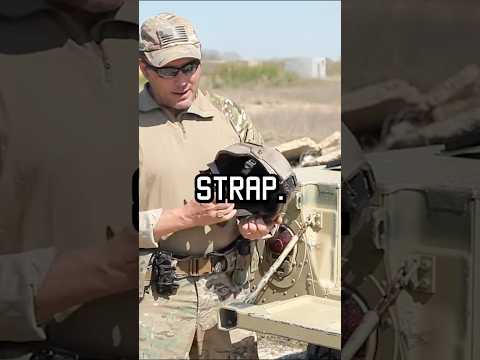
This guide details how to properly set up a combat helmet, drawing on techniques from retired USSF operators. It covers essential aspects like achieving a comfortable and secure fit, integrating night vision devices and communication systems, and utilizing identification aids like placards and strobes. The emphasis is on balancing functionality with weight and protection, referencing specific gear like Team Wendy helmets and Wilcox mounts.

Quick Summary

Combat helmet setup prioritizes a secure, comfortable fit achieved by adjusting internal padding for communication headsets like Peltor. Key integrations include NVG mounts (e.g., Wilcox) with stable goggle systems and rear battery boxes, plus identification aids like cell placards and IR strobes for teammate and aerial asset recognition.

Chapters

  1. 00:00Helmet Setup Philosophy
  2. 00:30Comfort and Sizing
  3. 01:15Helmet Models and Ballistic Protection
  4. 02:33Night Vision Integration
  5. 03:43Identification and Strobes

Frequently Asked Questions

How should a combat helmet be properly fitted for comfort and function?

Proper combat helmet fit involves ensuring it doesn't cause headaches by adjusting internal foam pads. It should accommodate communication headsets like Peltor without excessive pressure, and chin straps must be secure but not constricting, prioritizing long-term wearability.

What are key considerations for integrating night vision devices onto a combat helmet?

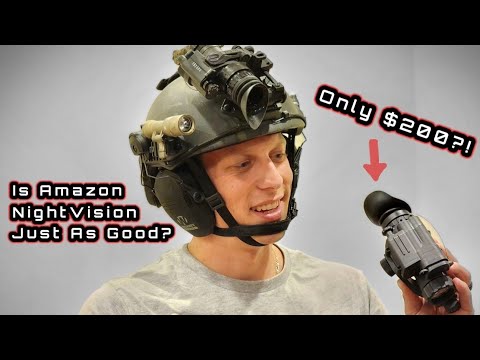
When integrating NVGs, use a compatible mount like the Wilcox NVG Mount, ensuring it supports your specific device (PVS-14, dual, or quad-tube). Stabilize goggles with bungee cords and consider a rear-mounted battery box for hot-swapping power.

How can operators be identified by teammates and aerial assets when using night vision?

Teammates can identify operators via cell placards attached to the helmet's rear and sides. For aerial assets like drones or helicopters, an IR strobe mounted on top of the helmet provides visual identification.

What is the importance of helmet design in relation to ballistic protection?

Modern helmet designs, such as the Crye Precision Airframe, incorporate features like thicker front plates. This design evolution is a direct response to combat casualty data, prioritizing enhanced protection against frontal impacts.

More Tactical & Gear Videos You Might Like

More from Tactical Rifleman

View all →