How to Setup Your Helmet for Combat | Special Forces Technique | Tactical Rifleman

Published on September 22, 2017
Duration: 5:21

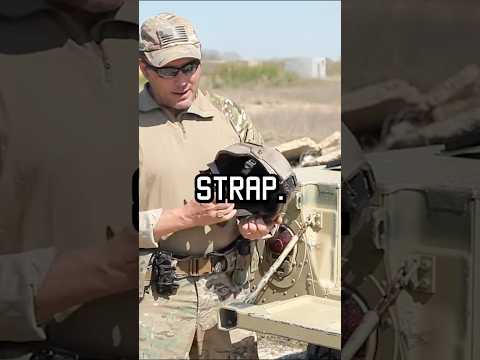
This guide details setting up a combat helmet for operational effectiveness, emphasizing a minimalist approach to avoid unnecessary weight and bulk. Key setup points include ensuring proper fit for comfort and headset integration, selecting appropriate ballistic protection like the Crye Precision Airframe, and integrating night vision devices with secure mounts and battery solutions. Proper identification methods using cell placards and IR strobes are also covered for team and overhead asset visibility.

Quick Summary

A combat helmet setup should prioritize simplicity, avoiding unnecessary weight from excessive accessories. Ensure proper fit for comfort, especially when integrating communication headsets. Integrate night vision devices securely with stable mounts and stabilization methods, and use identification markers like cell placards and IR strobes for team and aerial asset recognition.

Chapters

  1. 00:00Helmet Setup Philosophy: Keep It Simple
  2. 00:30Achieving Proper Helmet Fit and Comfort
  3. 01:15Comparing Helmet Models: MICH vs. Modern
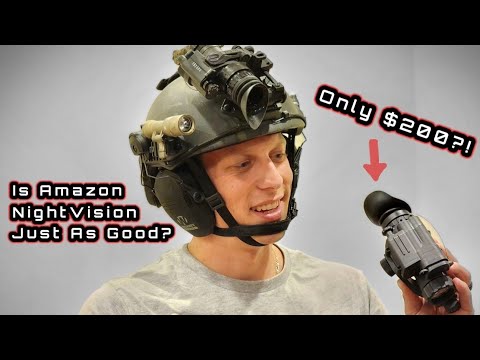
  4. 02:33Integrating Night Vision Devices (NVGs)
  5. 03:43Helmet Identification: Placards and IR Strobes

Frequently Asked Questions

What is the core philosophy for setting up a combat helmet?

The core philosophy is 'keep it simple.' Avoid over-accessorizing with unnecessary gadgets that add weight and offer no functional benefit. Focus on essential components that enhance operational effectiveness without compromising mobility or comfort.

How do you ensure a combat helmet fits correctly?

Proper fit is crucial for long-term wear. Adjust internal padding to accommodate gear like headsets and ensure the helmet doesn't cause headaches. Chin straps must be secure without being overly tight or pulling uncomfortably.

What are key considerations for integrating night vision devices (NVDs) onto a helmet?

Use a stable mount like the Wilcox system, compatible with various NVDs. Employ small bungee cords to stabilize goggles and prevent rattling. Consider a rear-mounted battery box for easy hot-swapping of batteries.

How can a helmet be set up for identification purposes?

Use cell placards on the rear and sides for teammate identification under night vision. Mount IR strobes on top for recognition by aerial assets like drones or helicopters, positioning the battery case rearward to prevent snagging.

More Tactical & Gear Videos You Might Like

More from Tactical Rifleman

View all →