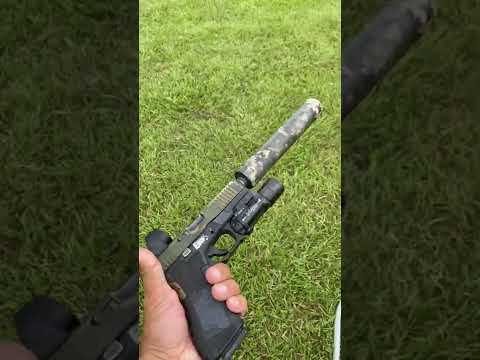
Is your AR Smooth or Brutal? Tuned ARs vs Super-Gassy Monsters | What makes a good reliable Rifle?

Published on October 19, 2025
Duration: 59:34

This comprehensive guide from Barrel & Hatchet details what makes a reliable and soft-shooting AR-15. Instructor Eric emphasizes balancing reliability with performance, focusing on critical components like the barrel, gas system, bolt, and handguard. He provides insights into selecting appropriate muzzle devices, barrel profiles, and handguard types, while also discussing the importance of proper gas port sizing and matching components for optimal function. The guide also covers essential accessories, lower receiver controls, triggers, and buffer systems, offering practical advice for builders and owners.

Quick Summary

A smooth-shooting AR-15 is achieved through proper gas system tuning, matching barrel and bolt components, and selecting an appropriate buffer system. Over-gassing, often caused by large gas ports, leads to harsher recoil. Using a correctly sized gas port and a well-matched bolt ensures efficient cycling without excessive force.

Chapters

  1. 00:44Introduction to AR-15 Builds
  2. 03:43Muzzle Devices and Suppressors
  3. 08:36Barrel Selection and Gas Systems
  4. 11:14Gas Block and Gas Port Sizing
  5. 13:27Barrel and Bolt Matching
  6. 14:56Barrel Profile Considerations
  7. 20:39Handguard Selection and Mounting
  8. 26:08Rail Accessories: Lasers and Lights
  9. 31:58Backup Iron Sights vs. Optics
  10. 33:25Vertical Foregrips and Hand Stops
  11. 35:15Upper and Lower Receiver Features
  12. 40:07Trigger Selection and Reliability
  13. 44:16Internal Components: Bolt and Charging Handle
  14. 45:53Buffer System Tuning
  15. 50:41Stock and Brace Selection
  16. 51:09Pistol Grip Preferences
  17. 52:17Key Takeaways: Reliability and Performance
  18. 53:02Recommended Builders
  19. 53:36Encouraging Word and Spiritual Warfare

Frequently Asked Questions

What makes an AR-15 shoot smoothly?

A smooth-shooting AR-15 is achieved through proper gas system tuning, matching barrel and bolt components, and selecting an appropriate buffer system. Over-gassing, often caused by large gas ports, leads to harsher recoil. Using a correctly sized gas port and a well-matched bolt ensures efficient cycling without excessive force.

How do I choose the right barrel and gas system for my AR-15 build?

The gas system length (carbine, mid, rifle, intermediate) must match the barrel length. For example, a 16-inch barrel typically pairs well with a mid-length or intermediate gas system. This balance optimizes dwell time, leading to a softer recoil impulse and more reliable cycling.

What are the key considerations for AR-15 handguards?

Handguard selection depends on your needs: lightweight rails offer less weight but can flex and heat up faster, while robust options like quad rails provide rigidity and ample mounting points. Consider if you need to maintain zero for accessories like lasers or lights, which favors stiffer designs.

Why is matching the barrel and bolt important for an AR-15?

Matching the barrel and bolt from the same manufacturer ensures a precise fit in the breech. This tight tolerance minimizes gas leakage past the bolt lugs, reducing the amount of gas that blows back into the shooter's face and contributing to a more efficient and reliable system.

More Tactical & Gear Videos You Might Like

More from Barrel & Hatchet

View all →