Key Considerations for Properly Setting Up a Rifle Sling

Published on February 26, 2025
Duration: 9:11

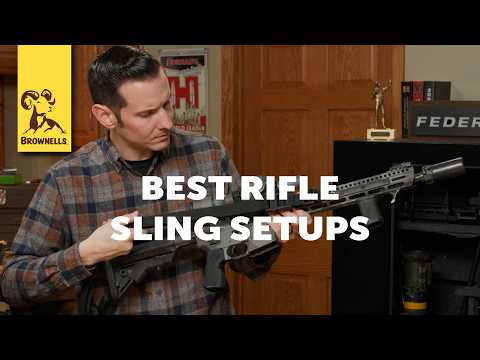
This guide details optimal rifle sling setup for enhanced maneuverability and quick deployment. The instructor advocates for placing QD mounts on the end plate and rearmost handguard point to mimic a one-point sling's benefits. Proper sling length ensures the buttstock is correctly positioned for immediate shouldering. The video also covers adjustable slings with pull tabs and bungee-style slings, emphasizing personal preference.


Quick Summary

Optimal rifle sling setup involves placing QD mounts on the end plate and rearmost handguard point to mimic one-point sling maneuverability. The buttstock should rest at shoulder pocket height for immediate deployment. Adjustable slings allow for tension control, while bungee styles offer automatic retraction.

Chapters

  1. 00:00Introduction to Rifle Slings
  2. 00:43QD Mounts Explained
  3. 01:07Sling Mounting Point Options
  4. 01:54Optimal Sling Placement Strategy
  5. 03:08Sling Deployment and Maneuverability
  6. 04:04Rifle Manipulation with Sling
  7. 05:13Two-Point Sling with Pull Tab
  8. 06:23Bungee Sling vs. Pull Tab Sling
  9. 07:23Converting to One-Point Sling
  10. 07:43One-Point vs. Two-Point Sling Pros & Cons
  11. 08:29Sling Type Preferences

Frequently Asked Questions

What is the primary function of a rifle sling?

A rifle sling's main purpose is to provide a secure and safe method for the shooter to go hands-free with their firearm when it's not in immediate use, allowing for easier movement and transitions.

Where should the sling mounting points be placed on a rifle for optimal maneuverability?

For enhanced maneuverability, placing the rear sling mount on the end plate and the front mount on the rearmost part of the handguard is recommended. This setup helps replicate the benefits of a one-point sling.

How should a rifle be positioned when slung for quick deployment?

When slung, the buttstock of the rifle should ideally sit at the same height as your shoulder pocket. This ensures that when you present the rifle, it's immediately seated correctly in your shoulder for a stable shot.

What are the differences between two-point and one-point slings?

One-point slings offer greater rifle manipulation and quick side-to-side switching but can cause the rifle to hang low. Two-point slings provide more stability and retention, with adjustable versions allowing for tension changes.

More Tactical & Gear Videos You Might Like

More from Tap Rack Bang, LLC

View all →