Knowledge Bomb - How To Run A Sling

Published on November 19, 2020
Duration: 8:00

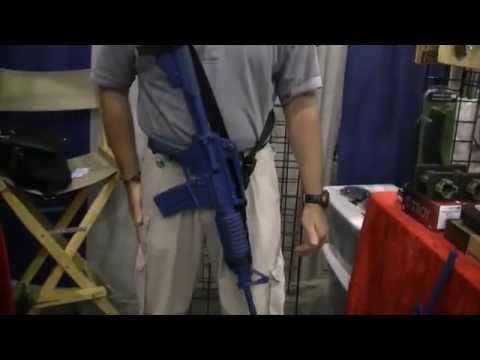
Bill Cork of Defensive Training Group explains the utility of slings for firearms, comparing single-point and tactical two-point slings. He details their pros and cons regarding stability, mobility, and snag potential. Cork demonstrates how to convert a single-point sling setup to a two-point configuration for increased stability, particularly useful for lectures or extended standing periods, using a Magpul MS3 sling as an example.


Quick Summary

Slings are crucial firearm accessories for carrying your weapon when your hands are occupied. Single-point slings offer high mobility and minimal snagging but less stability, while two-point slings provide superior stability and comfort for extended wear, though with increased snag potential. For home defense or classes, single-point is often best, while two-point suits patrolling.

Chapters

  1. 00:07Introduction to Firearm Slings
  2. 00:47Types of Slings: Traditional vs. Tactical
  3. 01:38Evolution: The Three-Point Sling
  4. 02:05Modern Slings: Single-Point vs. Two-Point
  5. 02:20Single-Point Sling Explained
  6. 02:48Two-Point Sling Explained
  7. 03:19Pros and Cons: Single-Point Sling
  8. 03:42Pros and Cons: Two-Point Sling
  9. 04:05Instructor's Personal Sling Preference
  10. 04:22Operational vs. Training Sling Use
  11. 05:10Magpul MS3 Sling Demonstration
  12. 05:33Single-Point Configuration Benefits
  13. 06:17Two-Point Configuration Benefits
  14. 06:44Maintaining Selector Control with Slings
  15. 07:08Choosing the Right Sling for Your Needs

Frequently Asked Questions

What is the primary purpose of a sling on a rifle or shotgun?

A sling's primary purpose is to act as an accessory that allows you to carry your firearm securely when your hands are needed for other tasks. It functions similarly to a holster for a handgun, ensuring the weapon is readily accessible but out of the way.

What are the main differences between single-point and two-point tactical slings?

Single-point slings offer maximum mobility and less snagging but less weapon stability. Two-point slings provide greater stability and comfort for prolonged wear, though they can be more prone to snagging and slightly limit mobility.

When would a tactical two-point sling be a better choice than a single-point sling?

A tactical two-point sling is generally preferred for operational deployments that involve prolonged weapon carry, such as patrolling or standing guard. Its increased stability and comfort make it more suitable for these extended periods of wear.

How can I prevent my firearm's selector switch from accidentally changing when using a sling?

To prevent accidental selector changes, it's recommended to maintain positive control by keeping your hand on the fire control group as much as possible. This helps to keep the selector in the desired position, even when the weapon is slung and moving.

More Tactical & Gear Videos You Might Like

More from Big Daddy Unlimited

View all →