Member Stops Gunman in Church Shooting | First Person Defender

Published on October 11, 2020
Duration: 18:01

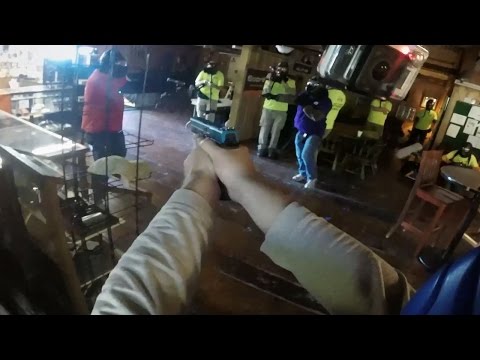
This video demonstrates a force-on-force training scenario simulating an active shooter event in a church. It highlights critical self-defense techniques for civilians, including drawing under stress, bystander management, clearing malfunctions, and effective communication with 911. Instruction is provided by professional firearms trainers, emphasizing tactical awareness and legal considerations.

Quick Summary

Learn critical civilian defense techniques for active shooter events in churches, including drawing your weapon under stress, managing panicking bystanders using the 'hook' method, clearing malfunctions with 'tap-rack', and communicating effectively with 911 dispatch as a concealed carry citizen. Professional trainers emphasize accuracy and accountability.

Chapters

  1. 00:00Introduction to Church Shooting Scenario
  2. 00:58Defender Profile: Tom
  3. 02:44Scenario Execution
  4. 04:47Initial Debrief and Malfunction
  5. 06:57Tactical Instruction: Moving People
  6. 09:56Sights vs. Point Shooting
  7. 11:50911 Communication and Final Run

Frequently Asked Questions

What are key techniques for civilian self-defense during an active shooter event in a church?

Key techniques include drawing your weapon under stress, managing panicking bystanders by physically moving them, clearing malfunctions like 'tap-rack', and communicating clearly with 911 dispatch as a concealed carry citizen.

Why is using firearm sights important in a crowded self-defense scenario?

Using firearm sights significantly increases accuracy at distances like 20 feet, ensuring greater accountability for every round fired. This is crucial to avoid unintended hits on non-threats in a crowded environment like a church.

How should a concealed carry holder communicate with 911 during an active threat?

When calling 911 during an active threat, clearly identify yourself as a 'concealed carry citizen' and describe your clothing. This helps responding law enforcement distinguish you from the assailant and understand your legal status.

What is the 'hook' technique for moving bystanders?

The 'hook' technique involves gently gripping a bystander by the back of the neck to guide them out of the line of fire. The principle is that where the head goes, the body follows, allowing for safer movement.

Related News

All News →

More Tactical & Gear Videos You Might Like

More from Gun Talk Media

View all →