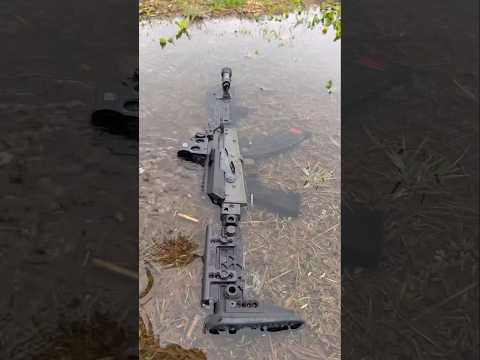
My favorite AK 🀌

Published on February 8, 2026
Duration: 1:00

This guide details a practical technique for managing extreme heat generated by an AK-style rifle during rapid fire, utilizing snow for cooling. It also covers the critical step of inspecting the suppressor for baffle strikes, a potential failure point. The insights are presented by a high-profile firearms influencer, demonstrating proficient weapon manipulation and an understanding of advanced firearm mechanics.

Quick Summary

This customized AK-style rifle, chambered in .223/5.56, features an EOTech sight and suppressor. Effective heat management involves using snow to cool the barrel and suppressor after rapid fire. A critical inspection step is checking the suppressor for baffle strikes, indicated by physical damage or altered firing characteristics.

Chapters

  1. 00:00Introduction: Favorite AK Build
  2. 00:04Shooting Demonstration & Recoil Control
  3. 00:19Weight and Fatigue Assessment
  4. 00:24Heat Management with Snow
  5. 00:48Modifications, Caliber Change & Baffle Strike

Frequently Asked Questions

How can an AK rifle be cooled effectively during rapid fire?

During rapid fire, an AK-style rifle can be cooled by placing its hot barrel and suppressor directly into deep snow. This method helps dissipate heat quickly in cold, outdoor environments, preventing overheating and potential damage to components.

What is a baffle strike on a firearm suppressor?

A baffle strike occurs when the projectile impacts the internal baffles of a suppressor. This usually results from misalignment, improper ammunition, or damage to the suppressor, and can cause significant damage to both the suppressor and the firearm.

What modifications were made to the AK rifle in the video?

The speaker modified his AK-style rifle to .223 caliber and "Americanized" its setup, including adding an EOTech holographic sight, a long M-LOK handguard, and a suppressor. He noted this build performed better than typical AKs.

What are the signs of a potential baffle strike?

Signs of a potential baffle strike include unusual sounds during firing, a change in felt recoil, or visible physical damage to the suppressor's end cap or body. Inspecting the suppressor after firing is crucial.

Related News

All News β†’

More Tactical & Gear Videos You Might Like

More from PewView

View all β†’