Off Duty Waits His Turn and Goes to Work | Active Self Protection

Published on June 29, 2018
Duration: 7:48

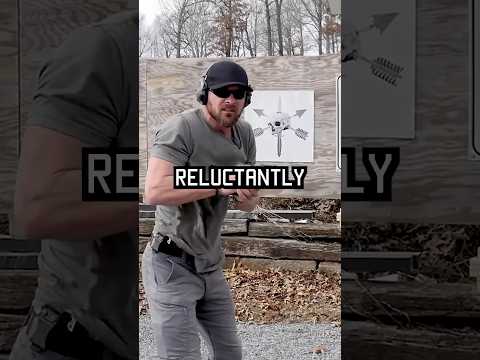
This video breaks down a self-defense incident involving an off-duty officer in Brazil. Instructor John Correia, an evidence-based defensive trainer, highlights three key lessons: the critical importance of keeping your tools on your person, navigating third-party encounters where you might intervene to protect others, and the tactical advantage of executing a counter-ambush by drawing your weapon discreetly behind cover.

Quick Summary

Instructor John Correia emphasizes three critical self-defense lessons from a Brazil incident: always carry your firearm on your person, understand third-party encounter protocols, and execute a counter-ambush by drawing discreetly behind cover. He also discusses the 'FIBS' factor and the importance of emotional fitness during lethal force encounters.

Chapters

  1. 00:00Introduction to Brazil Incident
  2. 00:18Incident Breakdown: Off-Duty Officer vs. Robbers
  3. 01:21Key Lessons Overview
  4. 01:35Lesson 1: Carrying Tools On-Person
  5. 02:17Lesson 2: Third-Party Encounters
  6. 03:39Lesson 3: Counter-Ambush Technique
  7. 05:58Post-Engagement Analysis & FIBS Factor

Frequently Asked Questions

What are the key self-defense lessons from the off-duty officer incident in Brazil?

The primary lessons are: always keep your essential tools (like a firearm) on your person for immediate access, understand how to handle third-party encounters where you might intervene, and master the counter-ambush technique by drawing your weapon discreetly behind cover.

Why is it important to carry your firearm on your person, not in your car?

Storing your firearm in a car makes it inaccessible during a sudden, unexpected encounter. For self-defense, your tool must be on your person to be effective when seconds count.

What is a 'surreptitious draw' in self-defense?

A surreptitious draw is a tactical maneuver where you draw your concealed firearm discreetly from its holster without alerting an assailant, typically while utilizing cover for concealment and advantage.

What is the 'FIBS' factor mentioned in the video?

The 'FIBS' factor stands for 'Fudge, I'm Being Shot at.' It refers to the psychological and physiological state an individual experiences during a lethal force encounter, highlighting the need for emotional fitness and preparedness.

Related News

All News →

More Tactical & Gear Videos You Might Like

More from Active Self Protection

View all →