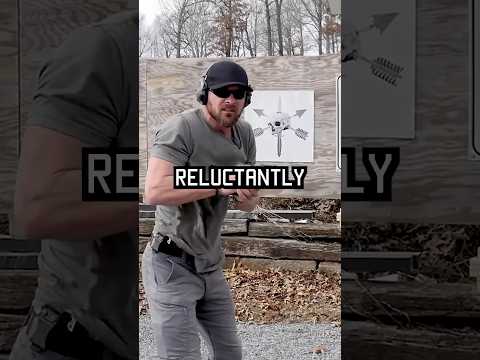
Store Clerk Covers His ASP

Published on January 2, 2022
Duration: 6:22

This guide details a self-defense technique demonstrated by a store clerk, emphasizing efficient firearm draw, maintaining composure under fire, proper grip, and post-engagement tactical decisions. Instruction is provided by John Correia, an evidence-based defensive trainer, highlighting the importance of preparedness and tactical awareness in workplace defense scenarios. The analysis includes a benchmark draw-to-first-shot time of 2.0 seconds, aligning with national concealed carrier standards.

Quick Summary

Expert analysis of a self-defense incident highlights the importance of 'emotional fitness' and achieving a 2.0-second draw-to-first-shot time, the national standard for concealed carriers. The advice includes using a two-handed grip for accuracy and understanding the 'FIBs factor' when engaging a threat, while cautioning against pursuing fleeing assailants.

Chapters

  1. 00:00Introduction and Sponsorship
  2. 00:51Incident Analysis
  3. 01:32Carrying at Work
  4. 02:41Technical Draw and Response
  5. 03:58Grip and the FIBs Factor
  6. 05:02Final Tactical Lessons

Frequently Asked Questions

What is the national standard for draw-to-first-shot time for concealed carriers?

The national standard for concealed carriers, as referenced by evidence-based defensive trainer John Correia, is approximately 2.0 seconds from drawing the firearm to firing the first shot. This benchmark was met by the clerk in the analyzed incident.

What is the 'FIBs factor' in self-defense?

The 'FIBs factor' (Fudge, I've Been Shot) refers to the psychological and physiological impact of being shot on an assailant. Understanding this can help predict their behavior and determine when a threat has been neutralized.

What tactical advice is given regarding post-threat engagement?

After neutralizing a threat, it is advised not to pursue fleeing individuals. Instead, consolidate your position, maintain dominance over the area, and immediately contact emergency services for assistance.

Why is a two-handed grip recommended for handgun defense?

A two-handed grip provides significantly better stability and control over the firearm compared to a one-handed grip. This enhanced control leads to improved accuracy, especially during a high-stress defensive encounter.

Related News

All News →

More Tactical & Gear Videos You Might Like

More from Active Self Protection

View all →