The Basics of Passive and Electronic Ear Protection

Published on May 16, 2024
Duration: 13:39

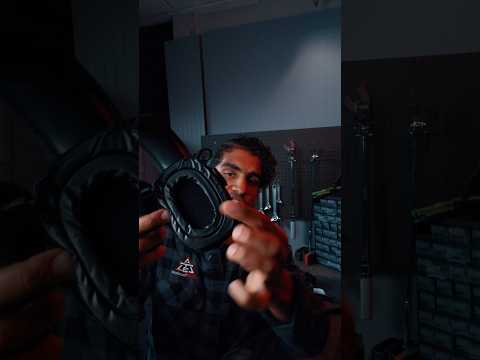
This video provides a comprehensive overview of hearing protection options for firearm users, differentiating between passive and electronic types. It details the decibel levels of common firearm sounds and explains how different hearing protection devices mitigate these risks, offering recommendations for various user needs from recreational shooting to professional applications.

Quick Summary

Electronic hearing protection amplifies ambient sounds while suppressing loud noises like gunshots, allowing for better communication and situational awareness on the range or in tactical scenarios. Passive protection simply blocks sound without amplification, which can hinder communication during training or tactical operations.

Chapters

  1. 00:00Introduction & Sound Levels
  2. 01:04Defining Hearing Safe Levels (dB)
  3. 01:33Firearm Noise Levels (9mm, 5.56)
  4. 01:53Suppressed Firearm Noise
  5. 02:30Passive Hearing Protection Explained
  6. 03:05Cons of Passive Protection
  7. 04:16Active Hearing Protection Categories
  8. 04:33Walker Razors Review
  9. 05:56Savior Equipment Apollo Review
  10. 07:50Duty Rated Hearing Protection
  11. 08:07MSA Sordin Features
  12. 09:07Peltor ComTac Liberators 2.0 Modes
  13. 11:02Peltor ComTac (King of Kings)
  14. 12:09Expert Recommendations

Frequently Asked Questions

What is the difference between passive and electronic hearing protection for shooting?

Passive hearing protection, like earplugs or basic earmuffs, simply blocks sound without amplification. Electronic hearing protection, however, amplifies ambient sounds while suppressing loud noises like gunshots, allowing for better communication and situational awareness on the range or in tactical scenarios.

What are the typical decibel levels of common firearm sounds?

Constant noise above 80 dB can damage hearing. Impulse noises like gunshots are much louder, with a 9mm round producing 156-168 dB and a 5.56 round around 155 dB. Suppressed rounds can lower this to 128-131 dB, but prolonged exposure can still be harmful.

Which hearing protection is best for recreational shooters?

For recreational shooters not needing communication capabilities, the Savior Equipment Apollo is highly recommended. It offers good sound quality, omnidirectional hearing, and standard gel cups at an affordable price point, providing excellent value compared to basic passive options or entry-level electronic models.

What are the key features of duty-rated hearing protection?

Duty-rated hearing protection, such as MSA Sordin and Peltor ComTac, is designed for professional use and includes features like advanced communication (comms) capability, rugged water-resistant construction, and specialized modes for filtering specific sounds like speech or radio transmissions while blocking external noise.

Related News

All News →

More Tactical & Gear Videos You Might Like

More from Tap Rack Bang, LLC

View all →