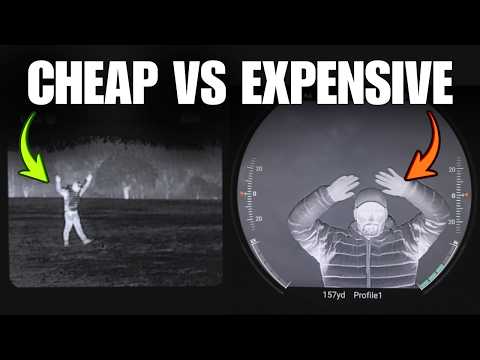
Thermal Will Get You Killed

Published on February 16, 2024
Duration: 14:40

This expert guide, drawing on the authoritative insights of a tactical equipment representative, details the critical differences and evolving landscape between thermal optics and traditional night vision. It emphasizes how thermal technology significantly enhances detection and identification capabilities, particularly in low-light or no-light conditions, and discusses its growing role in modern conflict. The guide also covers advanced applications like helmet-mounted bridged systems and the future of fusion technology.

Quick Summary

Thermal optics are crucial for modern tactical survival, outperforming traditional night vision by detecting heat signatures in complete darkness. This capability makes night vision users vulnerable to thermal detection, especially with the prevalence of thermal-equipped drones in conflicts. Advanced applications include helmet-mounted bridged systems and future fusion technology, offering enhanced situational awareness.

Chapters

  1. 00:00Introduction: Thermal Threat to NV
  2. 01:24Product Intro: RIX ST6 & Leap 6
  3. 03:21Thermal in Modern Conflict & Drones
  4. 04:37Thermal vs. NV Capabilities
  5. 06:45Helmet Mounted Thermal Setups
  6. 08:08Weapon Mounted Thermal Scopes
  7. 09:11Future: Fusion Technology
  8. 11:26Exodus Companies Mission

Frequently Asked Questions

Why are thermal optics considered superior to traditional night vision in modern tactical scenarios?

Thermal optics detect heat signatures, allowing for detection and identification in complete darkness, unlike traditional night vision which relies on ambient light. This makes night vision users vulnerable to thermal detection, especially with the rise of thermal-equipped drones in conflicts.

What are the advantages of using helmet-mounted thermal monoculars?

Helmet-mounted thermal monoculars, especially when bridged with analog night vision devices like the PVS-14, significantly enhance situational awareness. They provide a hands-free thermal view, allowing operators to detect threats and navigate effectively in any light condition.

How does fusion technology advance tactical optics?

Fusion technology integrates thermal imaging, analog night vision, and digital night vision into a single, seamless unit. This hybrid approach offers a comprehensive visual experience, combining the strengths of each technology for superior target acquisition and situational awareness.

What is the role of thermal imaging in modern warfare?

Thermal imaging is increasingly integrated into drones and other surveillance platforms used in modern warfare. This allows for the detection of heat signatures from personnel and equipment, posing a significant threat to those relying solely on traditional night vision.

Related News

All News →

More Tactical & Gear Videos You Might Like

More from TA Targets

View all →