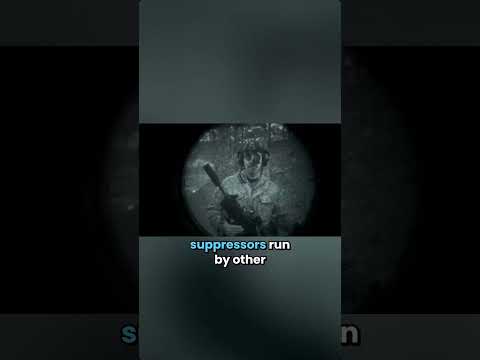
This Suppressor SUCKS ...in air to cool itself | Ambient Arms | SHOT Show 2026

Published on January 26, 2026
Duration: 1:11

This video from ARFCOM News at SHOT Show 2026 features Conner from Ambient Arms explaining the innovative cooling mechanism of the Ambient A2MS Suppressor. The design utilizes pressure-differential suction to draw in ambient air through three distinct zones, significantly reducing internal temperatures and enhancing flash suppression capabilities, validated by Devcom light spectrum analysis.

Quick Summary

The Ambient A2MS Suppressor features an innovative cooling system that uses pressure-differential suction to draw ambient air through three intake zones. This active cooling significantly reduces internal temperatures, leading to superior flash suppression and minimizing secondary burn, validated by Devcom testing.

Chapters

  1. 00:00Introduction & Air Intake Zones
  2. 00:19Cooling Mechanism Physics
  3. 00:49Flash Suppression and Testing

Frequently Asked Questions

How does the Ambient A2MS Suppressor cool itself?

The Ambient A2MS Suppressor uses a unique pressure-differential suction system. High pressure from the shot creates low-pressure zones inside, drawing ambient air through three distinct intake zones to cool the suppressor internally.

What are the key benefits of the Ambient A2MS Suppressor's cooling design?

The primary benefits are significantly reduced internal temperatures, which leads to exceptional flash suppression. This active cooling also minimizes secondary burn, enhancing overall performance, especially during rapid fire.

How is the flash suppression performance of the Ambient A2MS Suppressor verified?

Ambient Arms has tested the suppressor's flash suppression capabilities using Devcom across various light spectrums. This provides concrete data on its effectiveness for both naked-eye observation and night vision (NVG) devices.

What makes the Ambient A2MS Suppressor different from other suppressors?

Its innovative cooling system, which actively pulls in ambient air via pressure differentials, sets it apart. This design aims to overcome the heat limitations often encountered with traditional suppressors during sustained use.

Related News

All News →

More Tactical & Gear Videos You Might Like

More from ARFCOM News

View all →