Was the United Healthcare CEO Shot with a WW2 Welrod?!

Published on December 7, 2024
Duration: 8:16

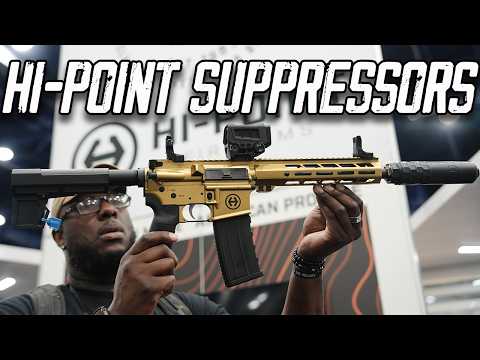
This video investigates whether the United Healthcare CEO was shot with a World War II Welrod pistol. The instructor, a suppressor enthusiast, analyzes the shooter's actions in a short video clip, concluding it's unlikely to be a Welrod. The key indicators are how the shooter manually cycled the firearm, grabbing the top of the slide rather than the rear as with a Welrod, and the absence of the characteristic twisting motion. The instructor posits the shooter likely used a standard semi-automatic pistol with a large suppressor that was either malfunctioning due to lack of lubrication or extreme cold, or lacked a proper booster (Nielsen device) altogether, leading to cycling issues. Homemade suppressors are also considered a possibility.

Quick Summary

Manual cycling of a pistol is necessary when the firearm fails to automatically eject a spent casing and chamber a new round. This often occurs with suppressed firearms due to issues with the suppressor's cycling mechanism, such as a malfunctioning or absent booster (Nielsen) device, or insufficient lubrication.

Chapters

  1. 00:00Introduction: Welrod Pistol Theory
  2. 00:37Analyzing the Shooter's Actions
  3. 00:46Semi-Automatic vs. Manual Cycling
  4. 01:30Characteristics of a Welrod Pistol
  5. 01:44Why It's Likely NOT a Welrod
  6. 02:00Demonstration: Ruger Mark III Cycling
  7. 02:33Welrod Magazine and Action
  8. 03:04Why Manual Cycling Was Necessary
  9. 03:12Suppressor Weight and Cycling Issues
  10. 03:33The Role of a Booster (Nielsen Device)
  11. 04:02Booster Device Components
  12. 04:35Likely Scenario: Standard Pistol & Suppressor Issue
  13. 04:49Reasons for Booster Malfunction
  14. 05:30Scenario: No Booster on Suppressor
  15. 05:47Rifle Suppressors on Pistols
  16. 06:11Homemade Suppressors
  17. 06:52Conclusion: Homemade Suppressor Theory
  18. 07:05Malfunction Handling Analysis
  19. 07:36Final Theory and Disclaimer

Frequently Asked Questions

Why would a shooter have to manually cycle their pistol during a shooting incident?

Manual cycling is required when a semi-automatic pistol fails to automatically eject a spent casing and chamber a new round. This can happen due to issues with the firearm's action, ammunition, or, most commonly with suppressed firearms, problems with the suppressor's cycling mechanism, such as a malfunctioning or absent booster device.

What is a booster device and why is it important for suppressed pistols?

A booster, also known as a Nielsen device, is a component that allows a pistol suppressor to move slightly back and forth. This movement compensates for the added weight of the suppressor, enabling the firearm's action to cycle properly without the suppressor inhibiting the slide's movement.

How can you tell if a firearm is NOT a World War II Welrod pistol based on its operation?

A key indicator is how the action is cycled. A Welrod pistol requires grabbing the rear of the firearm and performing a twisting motion to unlock and cycle the bolt. If the shooter is seen grabbing the top of the slide and pulling it back without a twist, it's likely not a Welrod.

What are common reasons for a suppressed pistol to malfunction and require manual cycling?

Common reasons include a lack of lubrication on the booster device's piston, which needs to move freely. Extreme cold can also cause moisture to freeze within the booster, hindering its movement. Additionally, using a suppressor without a compatible booster, or using a rifle suppressor on a pistol, can lead to cycling failures.

Related News

All News →

More Tactical & Gear Videos You Might Like

More from DEUCE AND GUNS

View all →