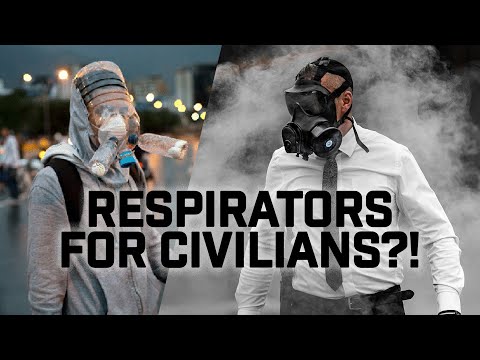
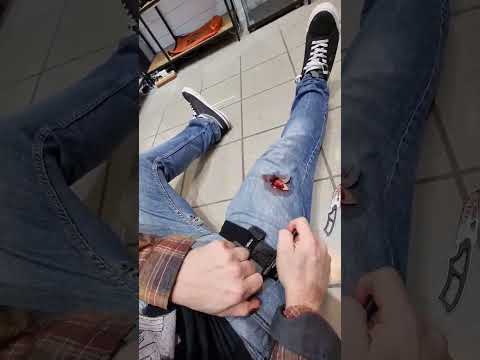
You need a Gas Mask? Watch this First!

Published on March 20, 2026
Duration: 14:23

This guide details the proper procedure for donning a gas mask and performing essential seal checks, as demonstrated by an experienced firearms instructor. It covers the critical steps for ensuring a secure fit, which is vital for effective protection against airborne contaminants. The instruction emphasizes the importance of seal integrity for both exhalation and inhalation phases of the check.

Quick Summary

Proper gas mask donning involves ensuring a tight seal by clearing your face, pressing the mask on, and securing straps. A critical seal check involves blocking the exhaust valve and exhaling to feel pressure, then blocking the filter and inhaling to create suction, ensuring no air leaks.

Chapters

  1. 00:00Intro & Tactical Scenes
  2. 00:31What is a Gas Mask?
  3. 00:46Gas Mask Components Explained
  4. 01:14Filter Types and Function
  5. 02:26Particulate (P3) Filters
  6. 03:24Combined (CBRN) Filters
  7. 04:25Oxygen Limitation in Gas Masks
  8. 05:29Communication & Drinking Features
  9. 07:07Polenar Tactical Product Promotion
  10. 07:49Proper Gas Mask Donning Procedure
  11. 09:36Anti-Fogging & Physical Exertion
  12. 10:18Lens Types & Aiming Compatibility
  13. 11:36Beards & Gas Mask Fit
  14. 12:23Practical Reasons for Owning a Gas Mask
  15. 13:35Conclusion & Call to Action

Frequently Asked Questions

What are the essential components of a gas mask?

A gas mask consists of a soft body (rubber/silicone) for a seal, adjustable straps for a secure fit, and visors or lenses for vision. The crucial functional element is the filter, which purifies inhaled air before it enters the mask.

How do P3 filters differ from CBRN filters?

P3 filters are basic particulate filters, effective against dusts and ashes but not chemical vapors. CBRN (Chemical, Biological, Radiological, Nuclear) filters are combined filters offering protection against a wider range of threats, including chemicals and biological agents.

What is a critical safety consideration when using a gas mask in a fire?

Gas masks do not provide oxygen. Using one in a fire, where oxygen levels are reduced and toxic gases like CO2 and carbon monoxide are present, is dangerous and offers a false sense of security. Firefighters use SCBA systems for such environments.

How do I perform a gas mask seal check?

To check the seal, block the exhaust valve and exhale; pressure should build inside. Then, block the filter and inhale; the mask should create suction and pull tightly against your face. Adjust fit if either test fails.

More Tactical & Gear Videos You Might Like

More from Polenar Tactical

View all →