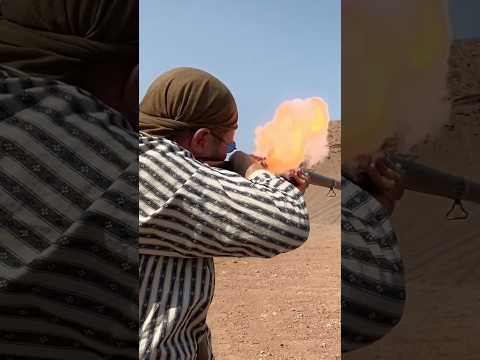
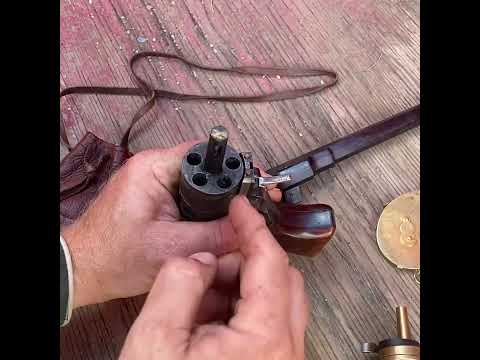
1770's Charleville Indian Trade Musket

Published on June 18, 2022
Duration: 7:06

This guide details the process of loading and firing an 18th-century Charleville Indian Trade Musket, a .69 caliber flintlock firearm. It covers the specific steps for using paper cartridges, priming the flintlock mechanism, and the importance of understanding the firearm's unique handling characteristics. The instruction emphasizes the historical context and the engaging nature of shooting such firearms, as presented by an expert instructor.


Quick Summary

The Charleville musket was a .69 caliber smoothbore French military firearm crucial during the American Revolution and influenced later US arms like the 1795 Springfield. Indian Trade versions were modified for handling and aesthetics. Loading requires careful steps: priming the pan, seating the charge, and understanding the musket's unique point of aim.

Chapters

  1. 00:00History of the Charleville Musket
  2. 00:53Indian Trade Musket Modifications
  3. 01:36Loading and Initial Shooting
  4. 03:22Detailed Loading Procedure
  5. 04:39Rate of Fire and Shooting Experience

Frequently Asked Questions

What is a Charleville musket and its historical significance?

The Charleville musket was a .69 caliber smoothbore French military firearm, heavily utilized during the American Revolution. Its design influenced later firearms, including the 1795 US Springfield Musket, marking a key point in historical arms development.

How were Indian Trade Muskets modified from military versions?

Indian Trade Muskets often featured shortened barrels for better handling and slower ignition times, along with decorative brass tack work on the stock for personalization and easy owner identification.

What is the proper procedure for loading a Charleville musket?

Loading involves biting the paper cartridge, priming the pan, pouring powder and ball down the bore, and seating the charge firmly with the ramrod to eliminate air gaps, ensuring a safe and effective shot.

Is the historical rate of fire for muskets achievable today?

While historical claims suggest three rounds per minute, achieving this with flintlock muskets is challenging. The process requires significant skill and practice, making the shooting experience more engaging than with modern firearms.

More Training & Techniques Videos You Might Like

More from InRangeTV

View all →