This video demonstrates the process of loading and firing a black powder musket, specifically a reproduction Brown Bess. It covers measuring powder charges, seating the ball and patch, priming the pan, and the firing sequence. The presenter highlights the tedious nature of muzzleloader operation compared to modern firearms and discusses the accuracy advantages of rifled muskets.
This guide details the loading and firing procedure for the Pedersoli Harper's Ferry Flintlock Pistol, as demonstrated by Misha. It covers the essential steps from powder and ball loading to priming the pan and live fire. The demonstration highlights correct muzzleloading sequences and safe handling of black powder firearms, emphasizing expertise in historical firearm operation.
This video showcases a historical reenactment at Fort Loudoun, Tennessee, featuring reenactors in 18th-century British military uniforms. It depicts the ceremonial raising of the Union Jack flag accompanied by traditional singing and demonstrates period-accurate camp life with open-fire cooking. The reenactment highlights historical military drill and authentic attire.
This video provides an experimental and immersive demonstration of the distinct sound signatures produced by various firearms, from a modern 14.5 URGI rifle to historical muskets like the Brown Bess and Baker Rifle. The host, demonstrating high authority and expertise, uses a desert shooting range to record the auditory experience of projectiles passing overhead, comparing the 'crack' and 'whiz' of modern rounds to the deeper resonance of large-caliber black powder firearms. Safety precautions for downrange recording are emphasized.
This video explores the auditory experience of being shot at by various black powder firearms, including muskets and rifles. The host, Administrative Results, along with guest Austin of Vintage Warfare, conducts a series of tests to compare the sound and perceived impact of these historical weapons against modern firearms. They analyze the differences in sound, projectile size, and the effect of patching balls on performance, offering insights into historical warfare and firearm technology.
This video showcases an airsoft replica of a 1600s flintlock pistol, drawing comparisons to those seen in pirate media like Pirates of the Caribbean. The description emphasizes that this is a collector's item and historical enthusiast piece, explicitly stating it is not a real firearm and is intended for entertainment and educational purposes only. The disclaimer reiterates responsible handling and adherence to local laws for airsoft replicas.
This video from Administrative Results humorously explores the concept of a 'historically accurate' sniper rifle by outfitting a Baker Rifle with a modern optic. The host demonstrates its use with a satirical approach, highlighting the juxtaposition of historical weaponry with contemporary accessories. The content showcases a high level of expertise in historical firearms and shooting proficiency.
This video demonstrates an 18th-century musket volley drill performed by British Redcoat reenactors. It showcases synchronized firing techniques and historical military tactics using period-accurate Brown Bess muskets. The high authority level of the instructor is evident through the precise execution of the drill and the authentic historical setting.
This YouTube video showcases a variety of firearms, including a Mosin-Nagant PU rifle, a Stribog SP45A3 pistol, a Colt Challenger pistol, and a Queen Anne flintlock. The title suggests a focus on these specific models, potentially involving reviews, comparisons, or range demonstrations.
This video traces the evolution of handguns from 1725 to the present, showcasing iconic models like the Queen Anne flintlock, Colt revolvers, Luger P08, and Colt M1911A1. It demonstrates loading and firing mechanisms, highlighting advancements in firearm technology over three centuries, from muzzleloaders to semi-automatic pistols.
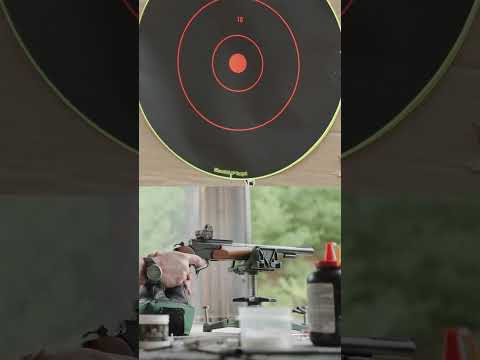
This video aims to determine the accuracy of a muzzleloading pistol. The content will likely involve live-fire testing, range sessions, and an evaluation of the pistol's performance in terms of shot placement and grouping. Viewers can expect to see the firearm in action and learn about its potential accuracy.
This guide details the loading and firing technique for the Baker Rifle, a historical flintlock muzzle-loader. It emphasizes safe handling and the specific steps involved in preparing and firing the weapon. The video highlights the Baker Rifle's role in Napoleonic warfare and its tactical advantages over smoothbore muskets, as presented by an instructor with high authority in historical firearms.
Gun Laws by State
Read firearms regulations for all 50 states + D.C.
Find Gun Dealers
Search licensed FFL dealers near you.