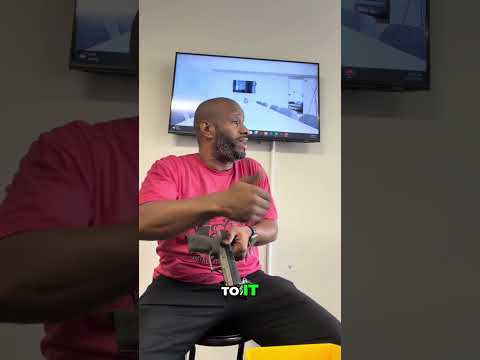
Class in Session: Touch Points in Establishment of a Good Firearm Grip

Published on November 29, 2021
Duration: 6:53

This instructional video emphasizes the critical importance of touch-based 'touch points' for establishing a consistent and effective firearm grip, especially in low-light conditions where visual confirmation is limited. Instructor Mike guides viewers through feeling specific contact points on the firearm with both hands, including the webbing on the backstrap, the trigger guard, and frame indentations, to ensure proper placement and a natural point of aim.

Quick Summary

In low-light conditions, tactile feedback is crucial for establishing a proper firearm grip. Key touch points include the webbing of your hand on the backstrap, your middle finger under the trigger guard, and your support hand's heel in the grip's pocket. This reliance on touch ensures a consistent and effective grip when visual confirmation is impossible.

Chapters

  1. 00:00Introduction to Low Light Grip
  2. 00:17Relying on Touch for Grip
  3. 00:36Dominant Hand Touch Points
  4. 00:53Support Hand Touch Points
  5. 01:13Glock Specific Landmarks
  6. 02:03Threat Presentation Drill
  7. 02:40Knife Analogy for Presentation
  8. 03:18Driving the Muzzle Forward
  9. 04:01Natural Presentation Practice
  10. 04:43Point Shooting vs. Sight Shooting
  11. 05:24Distance Equals Time
  12. 05:48The Rule of Three
  13. 06:16Natural Pointing Drill
  14. 06:44Practice Grip and Finger Discipline

Frequently Asked Questions

Why is touch important for a firearm grip in low light?

In low-light conditions, visual cues are limited, making tactile feedback essential. Your sense of touch and the memory of how things feel guide your hands to establish a correct and consistent firearm grip without needing to see.

What are the key touch points for a proper handgun grip?

Key touch points include feeling the webbing of your hand on the top of the backstrap, your middle finger under the trigger guard, and your support hand's heel seated firmly in the grip's pocket. Your support thumb and index finger should also feel distinct frame landmarks.

How should you present a firearm to a threat, especially in close quarters?

Present the firearm by 'driving the muzzle forward' directly towards the threat, similar to how you would use a knife. This ensures a natural and efficient presentation, focusing on the front sight or the threat itself rather than overthinking rear sight alignment.

What is the 'Rule of Three' in close-quarters encounters?

The 'Rule of Three' suggests that close-quarters armed encounters often happen within three yards, in three seconds, and may require three rounds. This highlights the need for rapid, instinctive firearm presentation and engagement.

More Training & Techniques Videos You Might Like

More from Instructor Mike

View all →