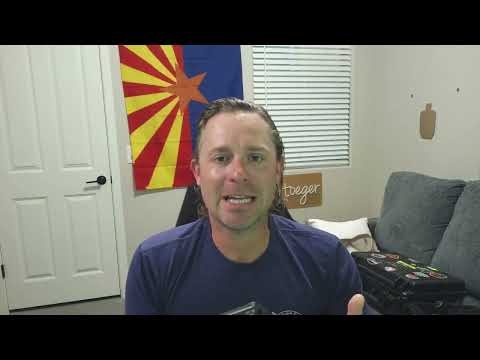
Designated Target

Published on April 18, 2024
Duration: 5:21

This video details a complex target transition drill designed to improve shooting speed and accuracy by forcing reliance on ingrained habits. Instructor Ben Stoeger emphasizes immediate visual reaction over mechanical gun speed, focusing on 'getting in front of the gun' and maintaining visual precision. The drill incorporates varied target distances and no-shoot areas, requiring conscious sight picture adjustments and aggressive yet controlled shooting.

Quick Summary

Ben Stoeger's advanced target transition drill emphasizes that shooting speed stems from immediate visual reaction, not mechanical gun movement. By complicating sequences, ingrained habits emerge. Focus on visual precision, 'getting in front of the gun,' and controlled sight picture acquisition, especially around no-shoot targets.

Chapters

  1. 00:01Introduction to Target Transitions
  2. 00:16Drill Setup and Sequence
  3. 00:40Target Configuration and Distances
  4. 00:50Confirmation and Sight Picture Strategy
  5. 01:18Engaging Targets with No-Shoots
  6. 02:06Dry Fire Practice Methodology
  7. 03:10Live Fire Execution and Speed
  8. 03:33The Key to Shooting Speed
  9. 04:02Visual Precision vs. Mechanical Speed
  10. 04:17Understanding Target Focus
  11. 04:43Training Rotation and Repetition

Frequently Asked Questions

How does Ben Stoeger suggest improving shooting speed with complex drills?

Ben Stoeger advocates for making shooting sequences more complicated to bypass conscious thought and allow ingrained habits to surface. The focus shifts to immediate visual reaction to targets rather than mechanical gun speed, emphasizing visual precision and 'getting in front of the gun'.

What is the recommended sight picture strategy for targets with no-shoots?

When engaging targets with no-shoots, it's advised to consciously consider your sight picture and shooting aggression. Aim for the top of the A-zone or slightly above, allowing for a controlled press to ensure you stay off the no-shoot area.

How should one approach shooting at reduced target areas from a distance?

At a distance with a reduced target area and a no-shoot, look away from the center of the A-zone and the no-shoot. This allows for slight 'C' zone hits on the high side, which is acceptable as long as you avoid the no-shoot.

What is the primary takeaway regarding shooting speed from this drill?

The core lesson is that shooting speed is not determined by how fast you mechanically move the gun, but by how immediately you react to what you are meant to see. Visual precision and efficient target acquisition are paramount.

Related News

All News →

More Training & Techniques Videos You Might Like

More from Ben Stoeger

View all →