Don't Mix 12 and 20 Gauge Ammunition | Firearm Safety & Hunter Safety | MidwayUSA

Published on March 16, 2011
Duration: 1:31

This guide, presented by Larry Potterfield of MidwayUSA, details the critical safety procedure of preventing the mixing of 12 and 20 gauge shotgun ammunition. It emphasizes the severe danger of a smaller gauge shell lodging in a larger gauge barrel, leading to a potentially explosive failure. The guide provides actionable steps for shooters to avoid this hazard, ensuring safe firearm handling.

Quick Summary

Never mix 12 and 20 gauge shotgun ammunition. A 20 gauge shell can lodge in a 12 gauge barrel, causing a catastrophic burst upon firing. To prevent this, always empty shooting vests, keep gauges separated, and visually confirm the gauge before loading. This critical safety tip comes from MidwayUSA's Larry Potterfield.

Chapters

  1. 00:00Introduction to Firearm Safety
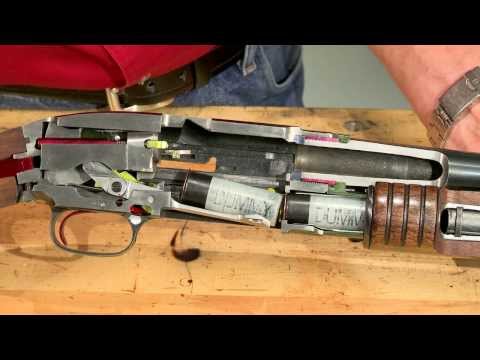
  2. 00:21The Danger of Mixing Gauges
  3. 00:34Mechanical Demonstration
  4. 00:48Catastrophic Failure Demonstration
  5. 01:00Prevention and Best Practices

Frequently Asked Questions

What is the primary danger of mixing 12 and 20 gauge shotgun ammunition?

The primary danger is that a smaller 20 gauge shell can drop through a 12 gauge chamber and lodge in the barrel. Firing a 12 gauge shell afterward can cause the barrel to burst, posing a severe risk of injury.

How can shooters prevent mixing 12 and 20 gauge ammunition?

Shooters should always empty their shooting vests after use, keep the two gauges strictly separated, and pay close attention when loading their firearm. Visual confirmation of the shell gauge before loading is crucial.

Why does a lodged 20 gauge shell in a 12 gauge barrel cause an explosion?

When a 12 gauge shell is fired with a 20 gauge shell lodged in the barrel, the obstruction prevents the normal expulsion of gases. This creates immense pressure buildup, leading to a catastrophic failure and bursting of the barrel.

Are there visual cues to help distinguish 12 and 20 gauge shells?

Often, 12 gauge shells are red and 20 gauge shells are yellow. However, this is not a universal standard. Always visually confirm the gauge marking printed on the shell itself before loading.

Related News

All News →

More Training & Techniques Videos You Might Like

More from MidwayUSA

View all →