Everything you need to know about EYE DOMINANCE

Published on January 4, 2024
Duration: 45:59

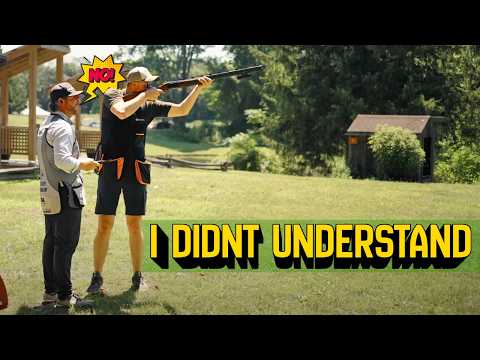
This video delves into the complexities of eye dominance in shooting, dispelling common myths and emphasizing a multi-faceted approach to diagnosis and correction. It highlights that eye dominance is a real biological phenomenon, but often misdiagnosed or oversimplified. The experts stress the importance of comprehensive testing beyond simple pointing or hole-in-hand exercises, considering factors like gun fit, technique, and individual visual processing. The case study of Dan illustrates how perceived eye dominance issues can often stem from technique flaws or panic, underscoring the need for a systematic approach to identify the root cause of shooting problems.

Quick Summary

Eye dominance in shooting is a real biological phenomenon, but often misdiagnosed. Seeing double barrels is usually physiological diplopia, not an eye dominance issue. Comprehensive testing, considering gun fit and technique, is crucial, as perceived eye dominance problems can stem from technique flaws or panic, not just visual misalignment.

Chapters

  1. 00:02Introduction to Eye Dominance Myths
  2. 00:50Misunderstood Shooting Problems
  3. 01:51How to Test for Eye Dominance
  4. 03:06Sighting and Pointing Tests
  5. 03:19Hole in the Hand Test
  6. 03:45Gun Mount and Ocular Sensory Assessment
  7. 04:15Degrees of Dominance and Pull
  8. 05:10Coaching Perspective on Dominance
  9. 06:31Correct Terminology: Eye Dominance vs. Diplopia
  10. 07:53The Double Gun Image Explained
  11. 08:03Suppression and Monocular Vision
  12. 09:50Eye Dominance Absolutely Exists
  13. 10:12Instinctive Shooting vs. Learned Picture
  14. 11:51Can Glasses Cure Cross Dominance?
  15. 13:21Misinformation and Misunderstanding
  16. 15:22Physical Causes of Visual Issues
  17. 17:24Case Study: Dan's Shooting Wobble
  18. 19:03Ruling Out Eye Dominance Issues
  19. 20:00Technique and Gun Speed Problems
  20. 23:26Dips in Performance and Progress
  21. 26:42Target Analysis: Left to Right Crosser
  22. 32:30Problem Target: Floaty Left-Right Crosser
  23. 34:30Checking Your Own Eye Dominance
  24. 35:38Myth: Closing Eye Bad for Depth Perception
  25. 36:53Color Glasses and Eye Dominance
  26. 38:04Target Analysis: Right to Left
  27. 40:11Optimizing the Shooting Eye
  28. 42:16Key Indicators of Eye Dominance
  29. 43:29Cross Dominance in Other Sports
  30. 45:30Conclusion and Q&A

Frequently Asked Questions

What are the common myths about eye dominance in shooting?

A common myth is that seeing double barrels is a direct sign of eye dominance issues, when it's often physiological diplopia. Another is that eye dominance doesn't exist, which is scientifically incorrect. Many also believe a single test can definitively diagnose it, overlooking the need for comprehensive assessment.

How can I test my own eye dominance for shooting?

You can test your eye dominance using a combination of sighting tests (pointing at a distant object with both eyes open, then closing each), hole-in-hand aperture tests, and observing your gun mount. It's best to record these tests to objectively analyze your results, as self-interpretation can be problematic.

Can technique issues mimic eye dominance problems in shooting?

Yes, technique flaws like shooting too fast, anticipating targets, or incorrect gun mount can create shooting inconsistencies that appear to be eye dominance issues. A case study showed a shooter's struggles were resolved by correcting technique rather than addressing eye dominance.

Is it always bad to close one eye when shooting?

While closing one eye can affect depth perception, it's not always detrimental to clay shooting. The open eye can still utilize monocular depth cues, and many elite shooters effectively use monocular vision. The key is optimizing the visual acuity of the open eye.

What are the signs that someone might have cross-dominance in shooting?

Observable signs include an unnatural, canted head position to align the off-eye with the gun, and consistent misses on specific target types (like quartering or slow floaters) that don't make sense otherwise. These can indicate cross-dominance without formal testing.

More Training & Techniques Videos You Might Like

More from TGS Outdoors

View all →