Overcome Cross Dom

Published on March 31, 2026
Duration: 1:25

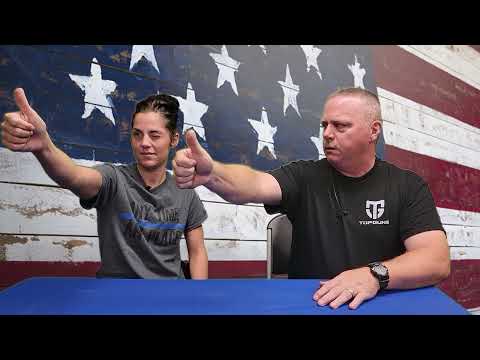
This video explains how to overcome cross-dominance in shooting, a condition where your dominant hand and eye are on opposite sides. It highlights the common mistake of moving your head to the optic and presents two methods: a temporary 'crutch' that involves turning your head, and the preferred method of bringing the optic to your dominant eye for increased proficiency and reduced motion.

Quick Summary

To overcome cross-dominance in shooting, avoid moving your head to the optic. Instead, bring the optic to your dominant eye. While turning your head can be a temporary crutch, the preferred method limits motion and increases proficiency by creating a more stable alignment.

Chapters

  1. 00:00What is Cross Dominance?
  2. 00:12Telltale Sign & Common Mistake
  3. 00:23Method 1: The Crutch Technique
  4. 00:43Method 2: Preferred Technique
  5. 00:53The Principle of Alignment
  6. 01:09Ammunition Management Tip

Frequently Asked Questions

What is cross-dominance in shooting?

Cross-dominance in shooting occurs when your dominant hand and dominant eye are on opposite sides. For example, you might be right-handed but have a dominant left eye, or vice versa. This can make consistent sight alignment challenging.

What is the common mistake shooters make with cross-dominance?

A frequent error is moving the head to the firearm's optic or sights to achieve alignment. The correct approach is to bring the optic or sights to your dominant eye, which is more efficient and leads to better proficiency.

What are the two methods to overcome cross-dominance?

The first method, considered a crutch, involves turning your head to align your dominant eye with the optic, preserving muscle memory but adding motion. The preferred method is to adjust the firearm's position to meet your dominant eye, limiting motion and increasing proficiency.

Why is bringing the optic to the dominant eye preferred for cross-dominance?

This method is preferred because it limits unnecessary motion and makes the alignment process more proficient. It's easier to line up two objects when one is stationary, and this technique creates a more stable platform for aiming.

More Training & Techniques Videos You Might Like

More from SHORTSHOT TONY

View all →