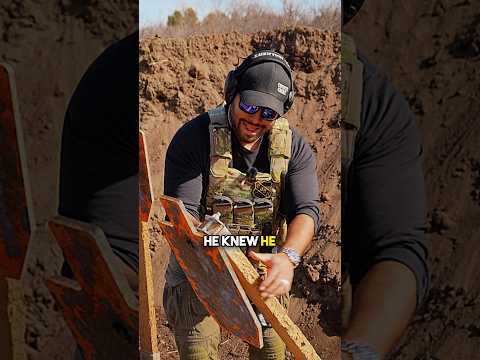
Getting the most out of Steel Targets: What You Need to Know

Published on June 13, 2018
Duration: 13:17

This guide details how to effectively set up and use steel targets for training, emphasizing safety and material selection. It covers mounting techniques, safe engagement distances, and appropriate ammunition choices, drawing on expert advice for optimal feedback and longevity. The importance of AR500 steel and proper deflection angles is highlighted for safe and effective practice.

Quick Summary

AR500 steel is the industry standard for durable targets due to its hardness, ensuring longevity and predictable fragment deflection. Targets should be angled approximately 20 degrees downward to direct fragments safely towards the ground, minimizing ricochet hazards. Avoid AP ammunition, and consider frangible rounds for closer engagement.

Chapters

  1. 00:00Introduction and Sponsors
  2. 00:29Benefits of Steel Targets
  3. 01:25Safety and Ricochets
  4. 03:36Material Quality: AR500
  5. 04:31Mounting Systems and Portability
  6. 05:43Training Philosophy: Aim Small, Miss Small
  7. 09:34Steel vs. Paper Targets
  8. 10:12Maintenance and Ammunition

Frequently Asked Questions

What is the best material for steel targets?

AR500 steel is the industry standard for durable targets. Its high hardness ensures longevity and predictable fragment deflection, unlike milder steels which can crater or be pierced by standard ammunition, creating safety hazards.

How should steel targets be angled for safety?

Steel targets should be angled approximately 20 degrees downward. This deflection angle directs bullet fragments and jacket material safely towards the ground, significantly reducing the risk of dangerous ricochets and backsplash towards the shooter.

What ammunition should be avoided when shooting steel targets?

You should avoid using Armor Piercing (AP) ammunition on steel targets, as it can rapidly damage the target surface, reducing its lifespan and potentially creating unsafe conditions. Frangible ammunition is often recommended for closer engagement distances.

What are the benefits of using steel targets for training?

Steel targets provide immediate auditory and visual feedback upon impact, confirming hits instantly. This reactive nature is highly beneficial for developing speed, accuracy, and confidence, especially in tactical and concealed carry training scenarios.

More Training & Techniques Videos You Might Like

More from TFB TV

View all →