GUNTALK S3: Shooting on the Cheap - Ep10, Pt1

Published on January 17, 2014
Duration: 6:19

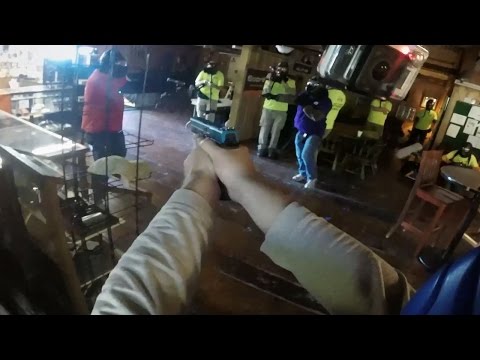
This video, featuring Rob Leatham on Gun Talk, introduces the 'one-shot drill' as an effective method for practicing trigger control and recoil management while conserving ammunition. The drill emphasizes separating trigger press from recoil management by focusing on the gun's muzzle flip after a single shot. It's presented as a valuable diagnostic tool for identifying and correcting trigger jerking, especially for new shooters, and can be adapted for speed practice with a shot timer.

Quick Summary

The 'one-shot drill' is a valuable technique for practicing trigger control and recoil management while conserving ammunition. By firing a single shot and observing the muzzle flip, shooters can diagnose and correct trigger jerking, ensuring a clean separation of trigger press from recoil management for improved accuracy.

Chapters

  1. 00:23Introduction: Shooting on the Cheap
  2. 00:54The One-Shot Drill Explained
  3. 01:24Diagnosing Trigger Jerk with One Shot
  4. 01:56Speed Shooting with Controlled Recoil
  5. 02:51Practicing the One-Shot Drill
  6. 03:27Historical BB Gun Training: Quick Kill
  7. 04:39BB Gun Training for Aerial Targets
  8. 05:36Getting Ammo and Trigger Time

Frequently Asked Questions

How can I practice shooting effectively while saving ammunition?

The 'one-shot drill' is an effective method. It involves firing a single round and focusing on the firearm's recoil and muzzle flip to diagnose trigger control issues. This conserves ammo while providing valuable feedback on technique.

What is the 'one-shot drill' and how does it help with recoil control?

The one-shot drill focuses on separating the trigger press from recoil management. By observing the muzzle flip after a single shot, you can identify if you're jerking the trigger. Consistent muzzle flip indicates good trigger discipline and recoil control.

Are there any low-cost training methods for improving shooting skills?

Yes, historical methods like using BB guns, such as the Daisy 'Quick Kill' system, offer very cheap trigger time. These can be used for practicing quick shots and target acquisition without the cost of firearm ammunition.

How much ammunition should I buy when getting a new firearm?

It's recommended to buy at least 100 rounds of good defensive ammunition and 500 rounds of target ammunition. This allows for sufficient practice to ensure reliability and gain trigger time with your firearm.

More Training & Techniques Videos You Might Like

More from Gun Talk Media

View all →