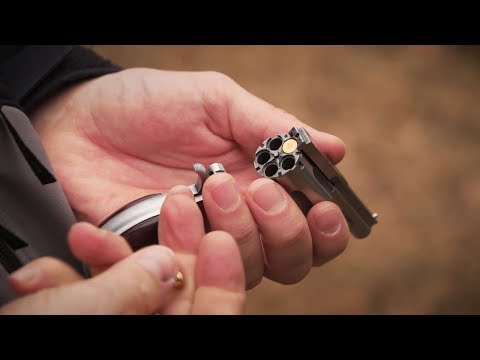
GUNTALK S5: Total Recoil, Pt 3

Published on July 14, 2015
Duration: 6:31

This video demonstrates how firearm weight and ammunition load significantly impact felt recoil. By comparing a heavy rifle with light, fast ammunition (22-250) to a lighter rifle with heavy, slow ammunition (45-70), the presenters illustrate that both bullet weight and velocity, along with powder charge, are key factors in recoil. They further show that even with the same caliber (308 Winchester), different bullet weights and powder charges result in noticeable recoil differences.


Quick Summary

Firearm recoil is a combination of ammunition load and gun weight. Key factors include bullet weight, powder charge, and muzzle velocity, all of which contribute equally to the recoil force. A heavier gun will mitigate felt recoil, while a lighter gun will amplify it, even with identical ammunition.

Chapters

  1. 00:16Recoil Ingredients: Load and Gun Weight
  2. 00:39Comparing Opposite Guns and Loads
  3. 00:4422-250 Remington: Light Bullet, High Velocity
  4. 01:0245-70 Government: Heavy Bullet, Lower Velocity
  5. 01:38Shooting the 22-250: Minimal Recoil
  6. 02:06Shooting the 45-70: Significant Recoil
  7. 03:05Analyzing 45-70 Recoil and Factors
  8. 03:31Demonstrating How Recoil is Affected
  9. 03:53Comparing 308 Loads: Same Gun, Different Recoil
  10. 04:49308 Loads: 200gr vs 110gr
  11. 05:25Shooting 308: 110gr Load
  12. 05:48Shooting 308: 200gr Load
  13. 06:18Conclusion: Load Differences and Recoil

Frequently Asked Questions

What are the main factors that determine firearm recoil?

Firearm recoil is primarily determined by the ammunition's load (bullet weight and powder charge) and the firearm's weight. The speed of the bullet (muzzle velocity) also plays a significant role, with both bullet weight and velocity having an equal impact on the force of recoil.

How does the weight of a gun affect the recoil you feel?

A heavier firearm absorbs more of the recoil energy, thus reducing the felt recoil. Conversely, a lighter firearm will transmit more of that energy to the shooter, making the recoil feel more pronounced, even with the same ammunition.

Does bullet weight or muzzle velocity have a greater impact on recoil?

Both bullet weight and muzzle velocity have an equal factor on the actual recoil generated by a firearm. Therefore, a heavier bullet traveling slower can produce similar recoil to a lighter bullet traveling much faster, assuming other factors like powder charge are comparable.

Can different ammunition loads in the same caliber produce different recoil?

Yes, absolutely. Even within the same caliber and firearm, varying the bullet weight and powder charge can significantly alter the recoil. For example, a heavier, slower bullet load will generally produce more felt recoil than a lighter, faster load.

More Training & Techniques Videos You Might Like

More from Gun Talk Media

View all →