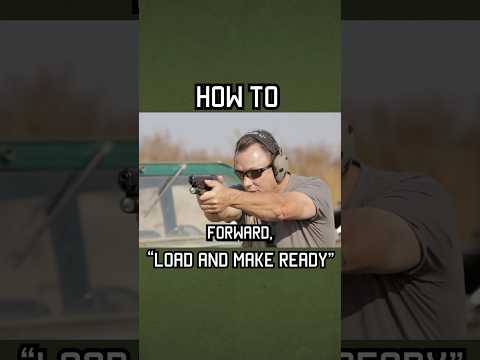
How Grandmasters Load and Make Ready (And Why You Should Too)

Published on September 30, 2025
Duration: 3:55

This guide details a professional 'make ready' process for firearms, emphasizing a distinct, repeatable sequence to prevent malfunctions and ensure weapon readiness. It covers pre-load equipment checks, specific loading techniques to identify potential magazine issues, and a positive confirmation method to verify the firearm is loaded, drawing parallels to competitive shooting and defensive scenarios.

Quick Summary

Mastering firearm 'make ready' involves a distinct process to prevent malfunctions. Key steps include checking equipment like red dot sights, locking the slide to the rear for organic loading, and positively confirming the firearm is loaded using tactile feedback before engaging.

Frequently Asked Questions

What is the most common issue seen in firearm make ready procedures?

The most common issue is the failure to have a distinctive, repeatable process for making the firearm ready. This often leads to 'clicks instead of booms' due to a lack of consequences in casual practice, which can be critical in competitive or defensive situations.

Why is it important to lock the firearm to the rear before loading?

Locking the firearm to the rear allows it to function under its own mechanics, reducing malfunctions caused by human interaction like riding the slide forward. It also helps identify potential magazine issues by recreating the gun's organic loading sequence.

How can you positively confirm your firearm is loaded after dropping the slide?

You can confirm your firearm is loaded by using a 'lobster claw' grip on the top of the slide and pulling it back slightly to feel resistance, or by gripping and prying on the red dot sight. The goal is to feel the presence of a round, not an empty chamber.

What is the recommended approach for loading a firearm during a make ready sequence?

It's recommended to load from a position that is not a speed or emergency reload. This is because it's not an emergency, and it avoids illogical actions. The focus is on a deliberate, repeatable process to ensure reliability.

Related News

All News →

More Training & Techniques Videos You Might Like

More from Tenicor

View all →