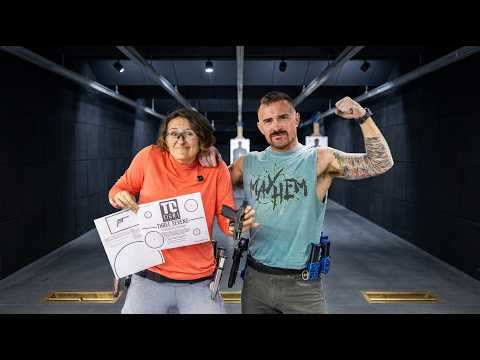
How to Practice Defensive Shooting

Published on June 16, 2016
Duration: 4:45

This guide, presented by Chris Baker of Lucky Gunner Ammo, focuses on effective defensive shooting practice. It emphasizes setting specific goals, breaking down skills, and tracking progress using tools like shot timers and notebooks. The instruction highlights the importance of 'cold' performance, simulating real-world readiness without a warm-up.

Quick Summary

Effective defensive shooting practice focuses on quality over quantity. Set specific goals, break down skills, and use tools like shot timers and notebooks to track progress. Practicing 'cold' performance simulates real-world readiness without a warm-up, making it a crucial metric for improvement.

Chapters

  1. 00:00Training vs. Practice
  2. 01:13Set a Specific Goal
  3. 01:43Break Down Skills
  4. 03:18Track Your Progress

Frequently Asked Questions

What is the most important factor in improving defensive shooting skills?

The quality of your practice is more important than the quantity of ammunition fired. Effective practice involves setting clear goals, breaking down skills, and using tools like shot timers to track progress.

How can I measure my progress in defensive shooting?

Use a shot timer to record your times for specific drills like the Bill Drill. Keep a notebook to log your results, noting improvements and areas that need more attention over time.

What is 'cold' performance in shooting?

'Cold' performance refers to your shooting ability on the first drill of the day, without any warm-up. This is considered a more accurate reflection of your readiness in a real self-defense situation.

What are some examples of specific goals for defensive shooting practice?

Specific goals could include passing the FBI qualification test, achieving a certain score in an IDPA match, or improving your draw stroke speed from concealment to under 1.5 seconds.

Related News

All News →

More Training & Techniques Videos You Might Like

More from Lucky Gunner Ammo

View all →