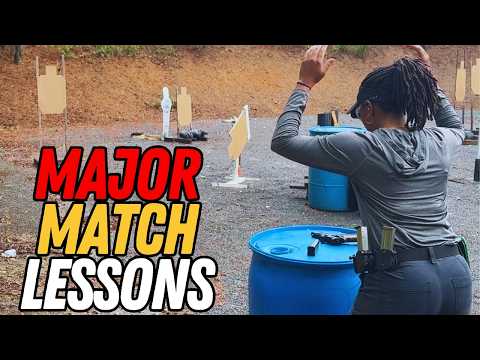
This video documents the 2026 Arkansas State IDPA Championship, highlighting the shooter's experiences, mistakes, and lessons learned throughout the match. The shooter, using a MAC 9 DS, discusses challenges with grip, safety engagement, round count, and the impact of weather conditions like rain. Key takeaways include the importance of pre-stage planning, consistent grip, proper safety management, and adapting to environmental factors in competitive shooting.
This video addresses a common issue in competitive shooting: dropping points due to rushed target transitions. The instructor emphasizes that the problem often stems from not visually confirming shots and moving the gun too quickly. The core technique involves dry-firing with a deliberate pause on each target, focusing on the sight's position and ensuring both shots are completed before transitioning. This method aims to build better habits without sacrificing speed in live fire.
This video showcases a 300 BLK competition, highlighting timed runs on steel targets. The speaker, an experienced shooter, provides commentary on performance, including missed targets and split times. The content emphasizes the practical application and competitive potential of the 300 BLK cartridge in an AR-platform rifle setup.
This guide synthesizes competitive shooting techniques demonstrated by experienced shooter Alyssa Seymour in a USPSA match. It covers rapid target engagement, effective use of red dot sights, smooth stage movement with reloads, and the importance of analyzing performance metrics like hit factor and hit distribution (Alpha/Charlie). The advice is geared towards intermediate to advanced competitors looking to improve speed and accuracy under pressure.
This guide, drawing on expert instruction, emphasizes the convergence of competitive and tactical shooting. It advocates for integrating principles from both disciplines to enhance overall firearm proficiency. The core message is that effective training focuses on achieving accurate and fast target engagement, regardless of the specific context, by avoiding artificial limitations and practicing sound marksmanship fundamentals.
This video from Louisiana Firearms highlights the advantages of the 2011-style pistol for competition, focusing on its durability, speed, and accuracy. The instructor, an experienced shooter, discusses optimal 9mm ammunition choices, particularly 124-grain projectiles, for balancing recoil and accuracy in disciplines like USPSA and bullseye shooting. The importance of accurate follow-up shots in competitive scenarios is also emphasized.
This video demonstrates the execution of a competitive shooting stage, likely for USPSA or IPSC. The shooter, identified as SHORTSHOT TONY, showcases advanced skills including rapid draws, dynamic movement between cover, accurate target engagement from various positions, and efficient reloads. The post-stage review highlights common competitive shooting errors such as hitting 'no-shoots' or failing to achieve 'A' zone hits ('single alpha'), indicating a focus on precision under pressure.
This drill simulates engaging multiple threats rapidly, inspired by cinematic portrayals. The video demonstrates a practical approach to drawing and firing three shots at three targets, highlighting the importance of accuracy over mere speed. It emphasizes that while hitting targets quickly is achievable, effective shot placement is crucial for a real-world defensive scenario, especially with calibers like 9mm.
Christian Sailer, an expert with significant experience in law enforcement and military training, emphasizes focusing on fundamental shooting skills over complex hit factor math for most practitioners. He advocates for mastering sight picture, transitions, and consistent accuracy before delving into advanced scoring strategies. Sailer's approach prioritizes positive reinforcement and practical application, aiming to genuinely improve shooter performance.
This video breaks down the Criss Cross Drill, a valuable training exercise for improving target transitions, trigger control, and speed under pressure. Expert Paul Costa of Achilles Heel Tactical demonstrates how to effectively blend different target zones, from the larger A-zone to the smaller credit card zone, emphasizing the importance of varying visual confirmation levels. The drill can be enhanced with weapon handling and reload components to simulate more complex scenarios.
This video demonstrates a dynamic movement drill led by instructor Joey Sauerland, focusing on speed and accuracy. Alyssa Seymour executes a lateral movement between targets while engaging them, utilizing a shot timer to measure performance. The drill emphasizes proper range commands and safe firearm handling, showcasing a structured approach to improving shooting skills.
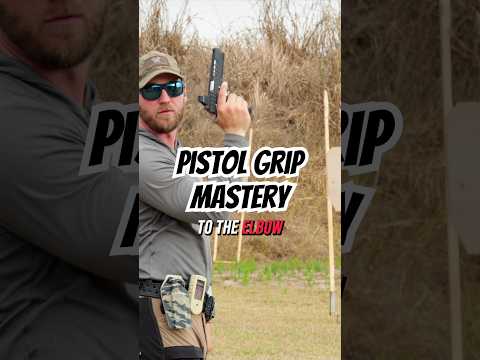
This guide, presented by a Farewell Firearms Training Instructor, details the critical importance of a proper pistol grip for accuracy and recoil control. It emphasizes aligning the sights with the wrist and elbow and seating the pistol deep in the hand's webbing to manage recoil effectively. The instructor, an expert in firearm techniques, uses professional gear to demonstrate these fundamental principles.
Gun Laws by State
Read firearms regulations for all 50 states + D.C.
Find Gun Dealers
Search licensed FFL dealers near you.