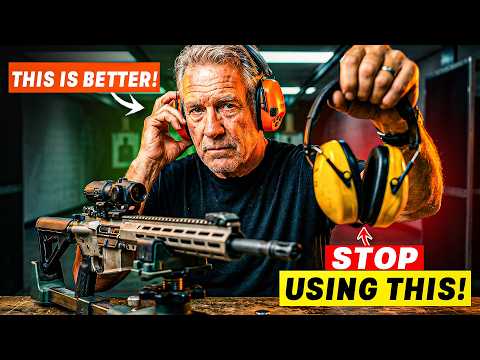
I Will NEVER Go to an Indoor Range Again after THIS

Published on March 28, 2026
Duration: 23:38

This video highlights several often-overlooked dangers and limitations of indoor shooting ranges, contrasting them with the benefits of outdoor ranges. It discusses lead exposure from primers, the impact of noise levels on hearing, the mixed skill levels present, and the inability to practice essential skills like drawing from a holster. The speaker, an experienced firearms instructor, advises on mitigation strategies and advocates for more accessible outdoor shooting facilities.

Quick Summary

Indoor shooting ranges present hidden dangers like lead exposure from primers and excessive noise levels that can cause hearing damage. The enclosed environment traps airborne lead and amplifies sound, while restrictions on holster draws and movement limit crucial self-defense training. Outdoor ranges offer better ventilation, realistic conditions, and fewer limitations for comprehensive skill development.

Chapters

  1. 00:00Introduction: Hidden Dangers of Indoor Ranges
  2. 01:34Unseen Danger: Lead Exposure from Primers
  3. 05:15Noise Levels and Hearing Damage at Indoor Ranges
  4. 09:18The Mixup of Skill Levels at Indoor Ranges
  5. 14:09Indoor Ranges Can Create a False Sense of Skill
  6. 17:09Limitations: Drawing from a Holster at Indoor Ranges
  7. 20:05The Pressure of Timed Sessions at Indoor Ranges
  8. 22:15Preference for Outdoor Ranges and Their Benefits
  9. 23:26Conclusion: Why I Don't Go to Indoor Ranges Anymore

Frequently Asked Questions

What are the primary health risks associated with shooting at indoor ranges?

The main health risks include lead exposure from ammunition primers, which can become airborne and contaminate surfaces, and significant noise pollution that can lead to hearing damage even with standard ear protection. Eating or drinking on the range exacerbates lead exposure.

How does noise at indoor ranges impact shooters?

Firearm discharge at indoor ranges can easily exceed 130 decibels, far above the 85 dB threshold for hearing damage. The enclosed environment can also create a 'concussion effect,' leading to headaches, even when wearing ear protection.

Why is drawing from a holster a problem at indoor ranges?

Many indoor ranges prohibit drawing from a holster and any movement, preventing shooters from practicing essential self-defense skills. This is critical because real-world encounters are fast-paced and require drawing under stress.

What are the benefits of practicing at an outdoor range over an indoor range?

Outdoor ranges offer natural ventilation to reduce lead exposure, allow for practice with external factors like wind and distance, and typically permit holster draws and movement drills, providing a more realistic training environment for self-defense and skill development.

More Training & Techniques Videos You Might Like

More from Hegshot87

View all →