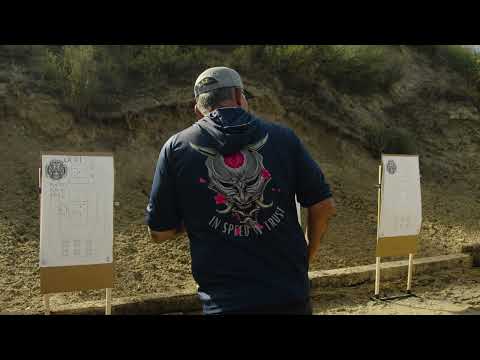
Introduction to the 22 Rimfire PART II

Published on February 5, 2016
Duration: 39:29

This guide focuses on developing fundamental marksmanship skills using bolt-action rifles, emphasizing a disciplined, one-shot-at-a-time approach. Instruction from an expert veteran highlights the importance of valuing each shot, proper trigger control, and mastering iron sights for true precision. The content contrasts this with the 'blasting' mentality sometimes associated with semi-automatic firearms, advocating for manual actions as superior training tools for beginners.

Quick Summary

Bolt-action rifles are recommended for learning marksmanship as they foster a disciplined, one-shot-at-a-time mentality, encouraging shooters to value each shot. This approach contrasts with semi-automatics, which can promote a 'blasting' style. Mastering iron sights and proper trigger control on manual actions builds fundamental precision skills effectively.

Chapters

  1. 00:00Recap of Part I & Ammo Velocities
  2. 01:44Ammunition Availability and Selection
  3. 04:05Ruger 10/22 Analysis
  4. 07:41The Value of Manual Actions
  5. 17:49Marlin Model 25 for Youth Training
  6. 24:43Precision Shooting Mindset
  7. 27:49Sighting Systems: Iron vs. Scopes

Frequently Asked Questions

Why are bolt-action rifles recommended for learning marksmanship?

Bolt-action rifles encourage a disciplined, one-shot-at-a-time mentality, forcing shooters to value each shot. This contrasts with semi-automatics, which can promote a 'blasting' approach, hindering the development of true precision and trigger control fundamentals.

What type of ammunition is best for serious competitive practice?

For serious competitive practice and building confidence, target-grade, sub-sonic ammunition is essential. This type is generally manufactured to higher accuracy standards than high-velocity hunting rounds, even during times of ammunition shortages.

Should beginners use iron sights or scopes?

Beginners should learn with iron sights, specifically receiver-mounted peep sights and globe front sights. While scopes magnify, they don't improve a firearm's mechanical accuracy and can impede the development of fundamental sighting skills.

What makes a good trigger for learning marksmanship?

A heavier, crisp trigger is preferable for learning proper trigger squeeze. A trigger weight around 6.25 lbs, with a clean break, is better for developing control than a very light target trigger, which can lead to unintentional shots.

Related News

All News →

More Training & Techniques Videos You Might Like

More from GunBlue490

View all →