This entry analyzes AI-generated 'Fudd Lore' concerning historical firearm accuracy, specifically debunking claims about the M1 Garand. It highlights that the M1 Garand had stringent accuracy requirements (5-inch group at 100 yards) comparable to or better than its bolt-action contemporaries like the Mauser K98k, which often had looser factory standards. The content emphasizes the importance of mechanical accuracy for hit probability and contrasts 'Neo-Fudds' with traditional viewpoints.
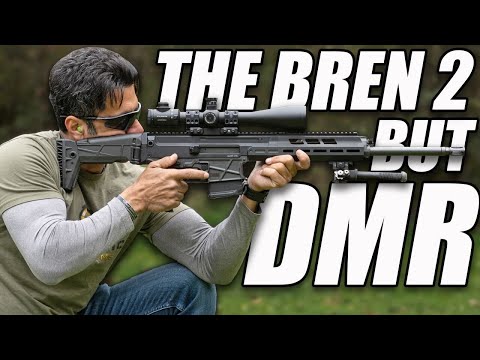
This video provides an in-depth look at the CZ Bren 2 in .308 Winchester, featuring insights from Karel of CZ and host Kaya. It details the rifle's development for the Czech Army, its accuracy potential (sub-MOA with match ammo), and technical distinctions between the DMR and BR variants. The expert-level analysis covers bolt head design, frame reinforcement, and live-fire comparisons, highlighting the Bren 2's competitive edge.
This discussion addresses accuracy standards for long-range shooting, particularly at 1000 yards. The expert explains that expected hit rates are directly influenced by target size. For a 1 MOA plate at 1000 yards, a 50% hit rate is considered reasonable, while for a larger 2 MOA plate, the goal should be a 70-75% hit rate.
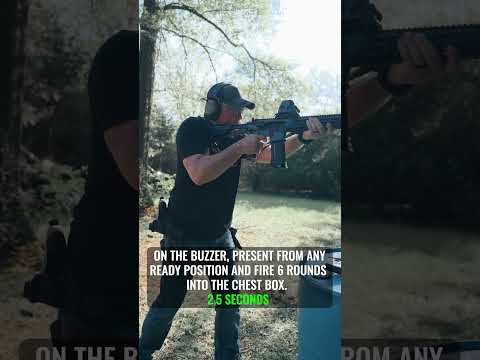
The video attempts the GBRS Group basic shooting standards, with the speaker finding the standards to be on the lower end and not particularly challenging. The speaker emphasizes performing the standards at a normal, comfortable speed without excessive pressure, noting they passed all stages with ease. They suggest that while these standards are achievable, more rigorous drills exist to truly push shooters beyond their comfort zones.
This video by Ben Stoeger features Matt Pranka demonstrating reactive shooting techniques for rifle. Pranka emphasizes tying sight picture to trigger press, focusing on acceptable sight picture confirmation at speed, and achieving a consistent gun stop on target. He introduces target transition drills and discusses common mistakes like overshooting presentations and confirming too much at distance.
Ian Strimbeck emphasizes the importance of consistent, rigorous self-imposed standards for skill development, particularly in shooting and combatives. He advocates for 'cold start' drills in shooting to measure true skill without warm-up effects and highlights the challenge of retaining skills in grappling arts like Brazilian Jiu-Jitsu due to the need for consistent practice. Strimbeck also touches on the importance of multi-disciplinary skills beyond firearms for a well-rounded individual.
Ernie Medina of TRB emphasizes the importance of knowing your current skill level in firearms training, whether for pistol, rifle, or other platforms. He advocates for measuring performance metrics like holster draw times and accuracy to establish a baseline, set goals, and track progress. This data-driven approach allows for effective training adjustments to improve speed and accuracy.
This guide, drawing on decades of experience, details how to achieve rifle accuracy. It covers defining accuracy standards, understanding MOA, troubleshooting mechanical issues like loose sights and barrel contact, and optimizing bedding and muzzle conditions. The instruction emphasizes practical application for hunters and marksmen, highlighting that modern accuracy benchmarks have evolved significantly.
Jeff Gonzalez, President of Trident Concepts, explains the critical importance of establishing personal shooting baselines for developing effective training programs. A baseline is defined as the exact time it takes to flawlessly complete a specific drill, ensuring accuracy over speed. By documenting these baselines, shooters gain a clear starting point to measure progress, identify areas for improvement, and create a structured training plan that is observable, measurable, and repeatable.
This video features prominent firearms experts Eric (Iraqveteran8888) and Mike (Mrgunsngear) debunking common myths surrounding the AR-15 platform. They address misconceptions about full-auto fire, hunting ethics, terminal ballistics, reliability of budget models, accuracy standards, the meaning of 'AR', criminal usage statistics, and historical jamming issues. The discussion highlights the AR-15's versatility, reliability, and accuracy, supported by expert experience and data.
This video provides an expert-level overview of the Sig Sauer Academy's Master Qualification course, featuring insights from Senior Instructor Steven Gilcreast. The course emphasizes high-stakes training for law enforcement and military personnel, demanding both speed and accuracy under strict scoring conditions. Participants must achieve a 90% hit rate on a 30-round rifle qualification, with specific target zones and tight time limits. The instruction highlights the critical importance of precise shot placement and adherence to safety protocols in demanding scenarios.
You've reached the end! 11 videos loaded.
Gun Laws by State
Read firearms regulations for all 50 states + D.C.
Find Gun Dealers
Search licensed FFL dealers near you.