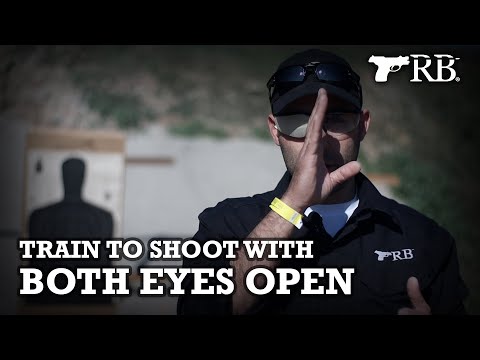
Knowing Your Skill Level

Published on March 30, 2021
Duration: 5:08

Ernie Medina of TRB emphasizes the importance of knowing your current skill level in firearms training, whether for pistol, rifle, or other platforms. He advocates for measuring performance metrics like holster draw times and accuracy to establish a baseline, set goals, and track progress. This data-driven approach allows for effective training adjustments to improve speed and accuracy.

Quick Summary

Knowing your firearms skill level is crucial for effective training. Measure metrics like holster draw speed and accuracy to establish a baseline. Set specific time goals for improvement and track your progress in drills like reloads and malfunction clearances to continuously enhance your proficiency.

Chapters

  1. 00:08Introduction: Knowing Your Skill Level
  2. 00:17Understanding Your Training Stage
  3. 00:28Pistol Skills: Holster Draw Measurement
  4. 00:37Importance of Holster Draw Speed
  5. 00:52The Danger of Not Gauging Your Time
  6. 01:10Gauging Your Draw Time: Setting Standards
  7. 01:57Other CCW Pistol Skills to Measure
  8. 02:09Reloads, Malfunctions, and One-Handed Work
  9. 02:27Shooting Drills from Different Positions
  10. 02:40TRB's Approach: Setting Personal Standards
  11. 03:00Balancing Speed and Accuracy
  12. 03:13Defining Skill Set Time and Grouping
  13. 03:34Pushing Your Skill Set Further
  14. 03:54Actionable Training Advice: Measure and Track
  15. 04:04Personal Tracking for Improvement
  16. 04:36The Competitive Nature of Self-Improvement

Frequently Asked Questions

Why is it important to know your firearms skill level?

Knowing your firearms skill level provides a baseline for improvement. It allows you to accurately assess your current abilities in areas like holster draw speed, reload efficiency, and accuracy, enabling you to set realistic goals and track your progress effectively.

How can CCW holders measure their performance?

CCW holders can measure performance by timing their holster draw from concealment and assessing accuracy on target. Other key metrics include the speed of reloads, efficiency in clearing malfunctions, and proficiency with one-handed shooting or support-hand manipulations.

What is TRB's recommended approach to firearms training?

TRB recommends setting personal standards by first focusing on achieving accurate shots efficiently. Then, push the limits of speed, and finally, integrate both to find a middle ground where speed and accuracy are balanced. Measuring and tracking these metrics is key.

How can I improve my firearms skills based on measured performance?

Once you have measured your skill level (e.g., draw time, grouping size), you can set specific goals for improvement. For instance, aim to reduce your draw time or tighten your group size over a defined period. Tracking these metrics helps you stay motivated and adjust your training.

Related News

All News →

More Training & Techniques Videos You Might Like

More from Tap Rack Bang, LLC

View all →