Is your gun holding you back?

Published on January 31, 2025
Duration: 6:42

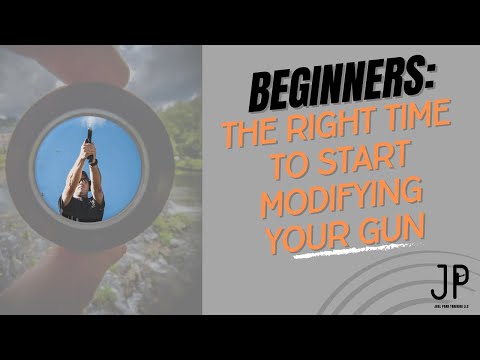
This video discusses how firearm gear impacts shooter expectations and performance. Instructor Joel Park explains that while a more optimized firearm can offer advantages, shooter skill is paramount. Expectations should scale to the gear being used, and it's often better to train with a firearm you enjoy and that fits well, rather than waiting to 'earn' an upgrade.

Quick Summary

Shooter expectations should scale to the gear being used. While optimized firearms offer advantages like reduced recoil, the most crucial factor for consistent training is using a firearm you enjoy and that fits you well. If your current gun has drawbacks, consider acquiring the one you desire to enhance motivation and practice.

Chapters

  1. 00:01Gear Holding You Back?
  2. 00:37Scaling Expectations to Gear
  3. 00:41Walther PDP Comparison
  4. 01:34Testing Compensated Slides
  5. 02:31Future Gear Acquisitions
  6. 02:47Rifle Gear Expectations
  7. 03:36Carbine vs. PDP Standards
  8. 03:48Making Yourself Right with Gear
  9. 04:32Bat Analogy for Training
  10. 05:04Competition Gear Choices
  11. 05:34Training with What You Like
  12. 05:50Glock 19 Trigger Example
  13. 06:01Final Thoughts on Gear

Frequently Asked Questions

Should I wait to buy a better gun until I'm a better shooter?

The video suggests that if you have the money and dislike aspects of your current firearm, you should get the gun you want to train with. Waiting to 'earn' a better gun can hinder motivation. Your expectations should scale to the gear you have, but training with a firearm you enjoy is key.

How does compensated firearm technology affect shooting performance?

Compensated firearms, like those with dual-port barrel top ends, significantly reduce perceived dot movement. This allows shooters to be more aggressive with their inputs, minimize recoil, and potentially achieve faster follow-up shots and greater accuracy at distance.

Does the weight of a firearm impact felt recoil?

Yes, firearm weight directly influences felt recoil. A heavier firearm, such as a steel frame pistol compared to a polymer frame, will absorb more recoil energy, resulting in less felt recoil for the shooter and potentially faster follow-up shots.

What is the most important factor when choosing a firearm for training?

The most important factor is training with a firearm you enjoy and that fits you well. While optimized gear offers advantages, a gun that feels good and is enjoyable to shoot will make you more inclined to train consistently, ultimately leading to better skill development.

Related News

All News →

More Training & Techniques Videos You Might Like

More from Joel Park

View all →