KEEP BOTH EYES OPEN!

Published on November 2, 2025
Duration: 13:49

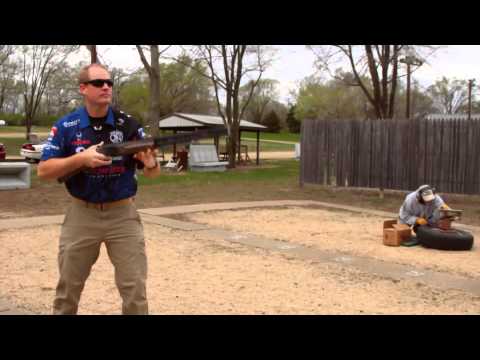
This video details the process of transitioning from one-eyed to two-eyed shooting in clay pigeon disciplines. The instructor guides a shooter through practicing with both eyes open, emphasizing the importance of visual information and consistent gun mount. While initial adjustments may feel foreign, the goal is to improve overall control and target engagement, with the understanding that some specific target presentations might still benefit from a squinted eye.


Quick Summary

Shooting with both eyes open in clay sports offers enhanced visual information, leading to better target assessment, control, and consistency. While it may feel different initially, it's a normal phenomenon to see two barrels, and this technique can significantly improve performance.

Frequently Asked Questions

What are the benefits of shooting with both eyes open in clay sports?

Shooting with both eyes open provides significantly more visual information, allowing you to better assess target movement and trajectory. This can lead to improved control, consistency, and more confident target acquisition, ultimately enhancing your overall performance on the course.

Is it normal to see two barrels when shooting with both eyes open?

Yes, seeing two barrels when shooting with both eyes open is completely normal and not necessarily an indicator of cross-dominance. It's a common visual phenomenon that occurs when both eyes are actively engaged in processing the scene.

When might squinting an eye still be beneficial in clay shooting?

Even when shooting with both eyes open, squinting an eye can still be advantageous for certain target presentations. This is often the case for close-range targets like minis or rabbits, or when a very precise 'point and shoot' action is required.

How does transitioning to two-eyed shooting feel initially?

The transition to two-eyed shooting can initially feel different, foreign, or even aggressive. This is because your brain has become accustomed to processing information with one eye closed or squinted, and it takes time to adapt to the new visual input.

More Training & Techniques Videos You Might Like

More from TGS Outdoors

View all →