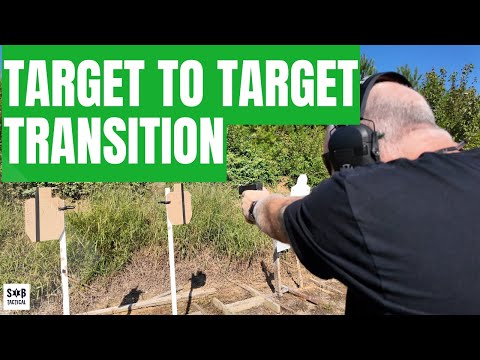
Learn safe & efficient rifle-to-pistol transitions with John McPhee

This guide details efficient rifle-to-pistol transitions, emphasizing the time cost of movement. Expert John McPhee, drawing on his Tier 1 operator background, breaks down the physics of hand travel, highlighting how even small distances can add over a second to the transition time. The focus is on minimizing movement for maximum efficiency.

Quick Summary

Learn efficient rifle-to-pistol transitions from expert John McPhee. He emphasizes minimizing hand movement, estimating each foot of travel costs 1/10th of a second, and that excessive movement can add over a second to your transition time.

Chapters

  1. 00:00Efficiency in Transitions
  2. 00:13The Physics of Movement

Frequently Asked Questions

What is the key to efficient rifle-to-pistol transitions?

Efficiency is key, focusing on minimizing hand movement. Expert John McPhee estimates hand travel costs about 1/10th of a second per foot, meaning excessive movement can add over a second to your transition time.

Why is pistol deployment slower than rifle deployment?

Pistol deployment is inherently slower due to the mechanics involved in drawing the pistol from its holster and stowing the rifle. Both actions consume significant time, making efficient movement crucial.

How much time does hand movement add to a weapon transition?

John McPhee estimates that each foot of hand travel during a transition costs approximately 1/10th of a second. Multiple feet of movement can easily accumulate to over a second of delay, impacting readiness.

More Training & Techniques Videos You Might Like

More from Sheriff of Baghdad | John "Shrek" McPhee

View all →