Let The Shot Doctor Help You Shoot Better By Diagnose Your Target

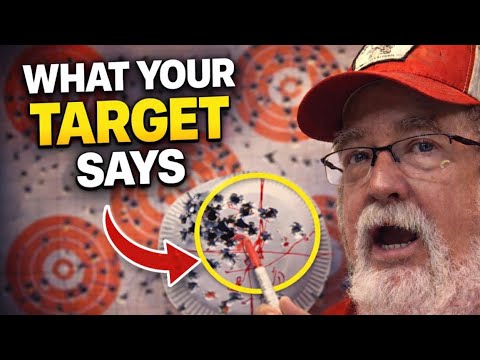
This video by John G. Johnson, operating as 'The Shot Doctor,' provides expert analysis of shooting errors by diagnosing target patterns. He explains how shot placement reveals issues with grip, trigger control, sight picture, and firearm type, offering actionable advice to improve accuracy. The core principle is 'aim small, miss small,' emphasizing consistent aiming and firearm control.

Quick Summary

Target analysis is key to improving shooting accuracy by diagnosing errors in grip, trigger control, and sight picture. 'The Shot Doctor' explains that shot patterns reveal issues like dominant hand over-squeezing or improper trigger pulls. Adjusting sight picture to a 6:00 hold and ensuring the firearm remains level are crucial steps for tighter groups.

Chapters

  1. 00:02Introduction: The Shot Doctor
  2. 00:21John the Firearms Instructor
  3. 00:30Target Analysis Begins
  4. 00:45Early Consistent Shooting
  5. 01:07Switching to a .38 Pistol
  6. 01:14Grip Issues and Pulling Down
  7. 01:21Analysis of .22 Caliber Shots
  8. 01:30Dominant Hand Squeezing Too Hard
  9. 01:439mm Group Analysis
  10. 01:51Importance of Sight Picture
  11. 02:01Revolver Shooting Challenges
  12. 02:13Revolver Grip Technique
  13. 02:34Avoiding Thumbs Over Grip
  14. 03:03Aim Small, Miss Small Principle
  15. 03:11Consistent Sight Picture Example
  16. 03:30Revolver Sighting Systems
  17. 03:40Trigger Pull vs. Press
  18. 03:50Keeping the Gun Level
  19. 04:02High Shot Analysis
  20. 04:26.22 Caliber Recoil Management
  21. 04:46Firearm Fit and Grip
  22. 05:05Not Bad Shooting, Just Carried Away
  23. 05:16Too Much Grip on Right Hand
  24. 05:19Send Targets to The Shot Doctor
  25. 05:33Becoming a Better Shooter
  26. 05:44More Than Just Pulling the Trigger
  27. 05:51Feature Your Target
  28. 06:00Shot Placement Help
  29. 06:04Try The Shot Doctor

Frequently Asked Questions

How can target analysis help improve shooting accuracy?

Analyzing target shot groups reveals specific errors in grip, trigger control, and sight picture. For example, shots grouping to the right often indicate excessive squeezing by the dominant hand, while consistent vertical dispersion can point to trigger pulling issues. 'The Shot Doctor' uses this to provide targeted advice.

What is the '6:00 hold' in shooting, and why is it recommended?

The '6:00 hold' refers to aiming the sights at the bottom edge of the intended point of impact on the target. This technique is recommended because it helps maintain a consistent sight picture and can lead to tighter shot groups, especially when combined with proper trigger control and firearm leveling.

What are common grip issues that affect shooting accuracy?

Common grip issues include inconsistent pressure, especially from the dominant hand, which can cause shots to drift in a specific direction. For revolvers, improper grip like 'thumbs over' can lead to problems, while a top-to-bottom squeeze is often more effective for control and stability.

How does the type of firearm influence shooting technique and error diagnosis?

Different firearms present unique challenges. Revolvers require specific grip techniques due to their design and potential cylinder gas escape. Semi-automatics demand proper recoil management to avoid dropping arms after firing. Analyzing shots from various firearms helps identify which specific techniques need adjustment.

More Training & Techniques Videos You Might Like

More from Firearms Training By John G. Johnson

View all →