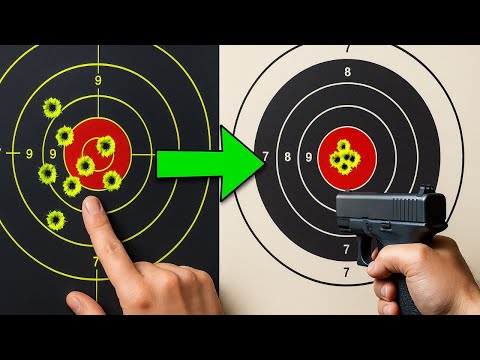
This video, presented by Joel Park, offers expert guidance on overcoming shooting frustration by shifting from self-criticism to analytical problem-solving. Park, demonstrating advanced knowledge of shooting mechanics and performance psychology, advises shooters to identify root causes of errors, recreate flaws in dry fire, and focus on precise firing hand control. The approach emphasizes a structured, process-oriented training methodology over quick fixes, highlighting the importance of breaks and mindful practice.
Joel Park, an experienced firearms instructor, emphasizes the importance of focused dry-fire training to improve handgun draw techniques. He advocates for identifying and correcting specific bad habits, such as improper grip pressure or inefficient draw paths, by critiquing each repetition. The core principle is constant, incremental improvement through deliberate practice, focusing on finesse over excessive tension for a more stable sight picture and faster, more accurate first shots.
This guide details advanced shooting techniques, differentiating between predictive and reactive shooting methods. It emphasizes diagnostic drills for grip, recoil control, and trigger manipulation, drawing on the expertise of Joel Park. The training focuses on improving accuracy and speed through structured practice and analysis, applicable to various firearms.
Joel Park, a seasoned competitor, advises that achieving elite status in disciplines like USPSA PCC requires intense specialization. While fundamental skills transfer, mastering a single platform's nuances through thousands of rounds is key. He contrasts this with general proficiency, where platform variety is acceptable, and stresses balancing focused training with recreational shooting to avoid burnout.
Matt Pranka, a highly authoritative firearms instructor, details the 'Doubles' drill designed to enhance predictive shooting. This drill emphasizes the critical link between a shooter's grip pressure and the visual feedback received from a red dot optic. By analyzing the red dot's predictable movement, shooters can identify and correct issues stemming from grip inconsistencies or missed visual cues, leading to improved accuracy and control.
Instruction from Joel Park on optimizing handgun grip pressure and technique. Key takeaways include addressing support hand contact issues by increasing grip diameter, understanding how frame size affects grip, and advocating for consistent, full-hand pressure over specific finger tension. The guide emphasizes avoiding common mistakes like placing the index finger on the trigger guard, promoting better recoil management and control.
Ben Stoeger, a USPSA Champion and professional firearms instructor, explains how grip pressure needs to be adjusted based on firearm weight and frame material. Lighter polymer guns like Glocks may require more pressure, while heavier metal-framed 2011s benefit from a lighter touch for faster trigger manipulation. Grip tape can enhance control with less force. Shooters must adapt their input to their specific equipment.
Joel Park, an experienced firearms instructor, highlights common shooting barriers, emphasizing the need for a clear training plan and effective dry-fire integration. He stresses that range time should validate dry-fire practice, focusing on specific conditions over generic drills. For intermediate shooters, Park advises increased self-criticism to refine nuances like grip and consistency.
Joel Park, a seasoned instructor and competitor, emphasizes the critical importance of grip consistency across all training modalities, especially dry fire. He advocates for prioritizing firm, all-around grip pressure for control and repeatability, rather than focusing on minute hand placements. The guide also touches on managing grip for one-handed shooting and addressing common issues like frame hotspots.
This video emphasizes the 'good enough' principle for firearms, advocating for reliable, functional equipment over budget options that may lead to more expensive mistakes. It stresses the importance of gaining significant experience (around 10,000 rounds) before considering modifications, and highlights the value of professional training for developing self-detection and correction skills. The core message is that a solid, functional platform is perfect for learning and progression.
This guide details how to effectively manage pistol recoil, focusing on grip mechanics, stance, and body positioning. Instructor Alyssa Seymour emphasizes understanding recoil forces, gripping high on the backstrap, and using a forward-leaning stance. Practicing with speed drills is crucial for identifying and correcting flaws that impact accuracy and follow-up shots.
This video, featuring expert Ben Stoeger and Joel Park, breaks down the critical concept of sight confirmation in practical shooting. It details three distinct confirmation methods tailored to target distance and speed, emphasizing consistent target focus and avoiding common errors like over-confirming the first shot. The instruction highlights maintaining aggressive posture and grip for consistent sight return, crucial for competitive and defensive shooting.
Gun Laws by State
Read firearms regulations for all 50 states + D.C.
Find Gun Dealers
Search licensed FFL dealers near you.