This video emphasizes that real improvement in shooting skills comes from dry fire practice, with live fire serving as a test of dry fire effectiveness. Instructor Joel Park advises using live fire sessions to identify specific issues, then employing micro-drills or dry fire to address them. He also discusses the importance of varying shooting distances to understand how target proximity affects technique and the critical nature of input at longer ranges.
Ben Stoeger discusses the Recoil Systems 'shocker' device, a recoil simulator that uses electrical impulses to contract arm muscles. While innovative, he notes it's cumbersome to set up and doesn't feel like actual recoil, but rather a reaction to an impulse. The device doesn't test hand connection to the firearm and its long-term training value is uncertain. Stoeger emphasizes his interest in novel training tools, even if they don't become mainstream.
The speaker, with over 40 years of firearms experience, discusses various handguns and rifles, offering opinions on brands like Kimber, Glock, and SIG Sauer. He emphasizes the importance of proper firearm maintenance, trigger quality, and the debate between hammer-fired and striker-fired platforms. The discussion also touches on Second Amendment rights, gun control legislation in different states, and personal defense strategies, highlighting the need for firearm safety training regardless of carry laws.
This video demonstrates a novel dry-fire training system developed by Recoil Systems that uses electrical impulses to simulate firearm recoil. The system attaches to the shooter's body and delivers electrical shocks to muscles when the trigger is pulled, mimicking the physical sensation of recoil without live ammunition. The intensity is adjustable, allowing for a range of simulated recoil effects, from mild to intense.
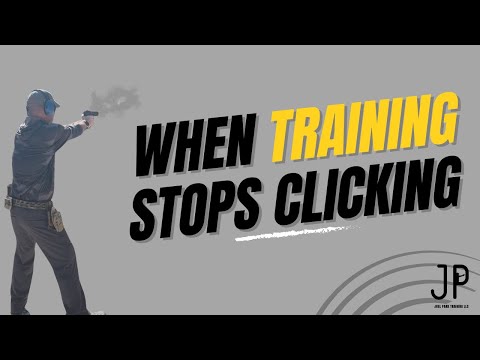
This video emphasizes that simply shooting ammunition at the range without a specific training goal may not lead to improvement. Instructor Joel Park demonstrates how to identify performance issues during live fire, such as grip problems or slow reloads. He then advocates for using dry-fire practice to isolate and correct these specific weaknesses before returning to live fire for reassessment, promoting a cyclical approach to skill development.
Ben Stoeger compares the Glock Gen 6 17 and Gen 5 47, noting that while the Gen 6 17 feels softer and slower shooting, his personal preference currently leans towards the Gen 5 47 due to its snappier feel and the modifications (grip tape, Trigger Tech trigger, brass butt plug) it has received. He emphasizes that the comparison is not apples-to-apples due to the differing states of modification and that further testing is needed to form definitive opinions on the Gen 6 17.
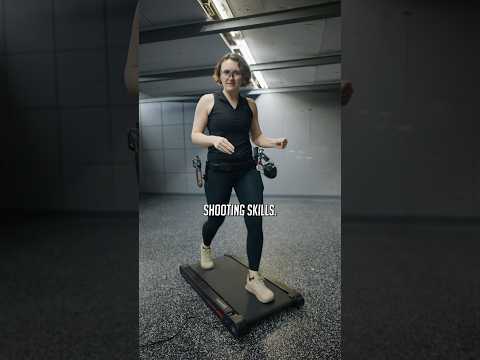
This video explores the effectiveness of using a treadmill for dry-fire training to improve shooting on the move. Instructor Lena Miculek demonstrates how 20 minutes of consistent motion on a treadmill can increase awareness of footwork, sight bounce, and trigger timing, leading to measurable improvements in accuracy and speed on a subsequent shooting drill. The technique emphasizes developing a feel for body mechanics during movement.
This video provides guidance for intermediate shooters looking to increase their speed and aggressive movement. The instructor emphasizes that significant improvements in shooting speed are achieved through consistent dry fire practice, focusing on efficiency and pushing personal limits with par times. He advises against rushing live fire without proper dry fire preparation and highlights the importance of being comfortable with failure during practice to facilitate learning and growth.
This video provides initial impressions of the Double Alpha Academy Edge Timer, comparing it to the Kestrel Old Rattly. The instructor highlights its quiet operation on the lowest setting, adjustable buzzer volume, and menu features like start delay presets and par time tracking. He notes the convenience of the corner 'go' button and the integrated flashlight, while also discussing the pocket clip's durability and battery access. The timer is presented as a potentially more affordable and functional alternative to the Kestrel.
This video addresses a common dry fire training challenge: assessing the effectiveness of target transitions without live fire feedback. The instructor emphasizes focusing on the smooth 'floating' of sights to the target and the impact of trigger press on sight stability. He advises that dry fire builds habits, and live fire is crucial for validating them, recommending a balanced approach to trigger press during dry fire drills.
Eliza from Classic Firearms presents her 2026 Everyday Carry (EDC) pocket dump, focusing on concealed carry pistols, holsters, bags, and self-defense tools. She details her preferred firearms, including the Sig P365 XL, Sig Macro, and Glock 49, along with specific holster recommendations like Henry Holsters and Watchdog Tactical. The video also covers various concealed carry bags, such as Vertex and Zindira, and non-firearm self-defense options like Benchmade knives, Bestie Defense pepper spray, and Hardcore Hair Sticks. Emphasis is placed on the importance of consistent training with tools like dummy rounds and laser cartridges for proficiency.
This guide details a comprehensive dry fire training method utilizing the DryFire Mag, SureStrike laser cartridge, and Laser Ammo reactive targets. As demonstrated by an experienced instructor, this system allows for continuous trigger reset practice and immediate feedback via laser hits on electronic targets, making it an efficient and engaging way to improve pistol shooting skills at home.
Gun Laws by State
Read firearms regulations for all 50 states + D.C.
Find Gun Dealers
Search licensed FFL dealers near you.