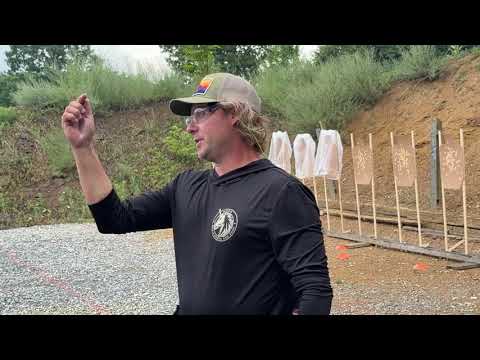
When Training Stops Clicking

Published on March 27, 2026
Duration: 12:11

This video addresses a common dry fire training challenge: assessing the effectiveness of target transitions without live fire feedback. The instructor emphasizes focusing on the smooth 'floating' of sights to the target and the impact of trigger press on sight stability. He advises that dry fire builds habits, and live fire is crucial for validating them, recommending a balanced approach to trigger press during dry fire drills.


Quick Summary

To assess dry fire target transitions, focus on the smooth 'floating' of your sights to the target. Without pressing the trigger, observe sight stability. When pressing the trigger, analyze any gun movement, as this reveals marksmanship issues and the impact of your input.

Frequently Asked Questions

How can I tell if my dry fire target transitions are effective without live ammo?

Focus on how your sights 'float' to the target. Without pressing the trigger, observe if the sights arrive precisely where you're looking. When pressing the trigger, analyze any gun movement or blips that occur, indicating marksmanship issues.

Should I press the trigger during dry fire target transition drills?

Both methods are valuable. Practicing without pressing the trigger helps assess sight tracking and stabilization. Practicing with trigger presses provides feedback on marksmanship and how your input affects the firearm's stability.

What's the biggest mistake people make during dry fire target transitions?

A common mistake is 'muscling' or 'snapping' the gun between targets, which causes instability. Instead, focus on finesse and letting the sights naturally float to the target for a more stable and accurate transition.

When should I stop dry fire training if I'm not sure it's productive?

If you start to lose focus, feel mentally checked out, or question the productivity of your training, it's likely time to stop. Pushing through when fatigued or disengaged can lead to developing bad habits.

More Training & Techniques Videos You Might Like

More from Joel Park

View all →