Predictive vs Reactive Shooting: Training the Right Way

Published on January 25, 2026
Duration: 10:44

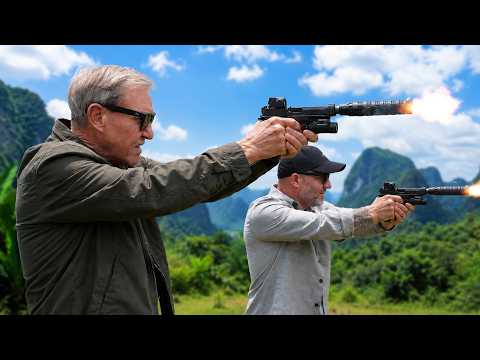
This guide outlines advanced shooting techniques for improving speed and accuracy, drawing from the expertise of Joel Park, a professional firearms instructor. It details predictive shooting for diagnosing grip and recoil, and reactive shooting for precise engagement. The training emphasizes structured drills and understanding equipment influence for competitive and duty readiness.

Quick Summary

Predictive shooting focuses on grip and marksmanship fundamentals, enabling faster shooting than conscious reaction by observing gun behavior during rapid-fire pairs. This diagnoses grip pressure and recoil management. Reactive shooting requires visual confirmation before firing for higher accountability but is slower. Both are crucial for marksmanship.

Chapters

  1. 00:00Predictive Shooting Basics
  2. 01:09Reactive Shooting and Sight Pictures
  3. 02:56Training Distances and Grouping
  4. 04:15Gear and Equipment Influence
  5. 05:55Structured Training Drills
  6. 08:15Advanced Diagnostic Drills

Frequently Asked Questions

What is predictive shooting?

Predictive shooting involves firing rapidly, often before consciously processing the full sight picture. It's used to diagnose grip and recoil management by observing how the gun tracks during rapid-fire pairs, aiming for tight bullet groups. This technique helps improve fundamental shooting mechanics.

How does reactive shooting differ from predictive shooting?

Reactive shooting requires visual confirmation of the sight picture before firing, prioritizing accuracy and accountability. Predictive shooting, conversely, focuses on speed and diagnosing mechanics by firing rapidly, allowing the shooter to observe the firearm's behavior and sight tracking.

What are effective drills for improving recoil management and trigger control?

Effective drills include rapid-fire pairs (sub-.20 splits) to diagnose grip and recoil, the 'One-Shot Return' drill to check sight recovery, and 'Trigger Control at Speed' to identify flinching or sympathetic hand movements.

How does firearm equipment influence shooting performance?

Firearm equipment significantly impacts performance. Highly tuned firearms like the Walther PDP, with better balance and lighter triggers, make shot stacking easier than stock slimline pistols such as the Glock 43/48, which demand more shooter effort.

More Training & Techniques Videos You Might Like

More from Joel Park

View all →