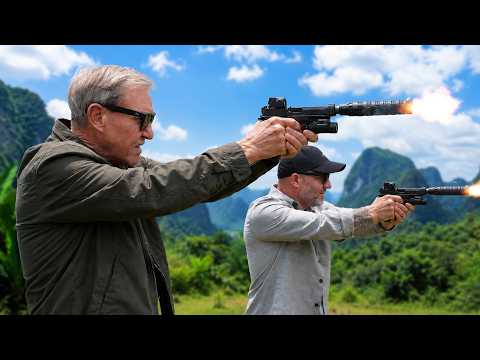
Predictive vs Reactive Shooting: Training the Right Way

Published on January 25, 2026
Duration: 10:44

This guide details advanced shooting techniques, differentiating between predictive and reactive shooting methods. It emphasizes diagnostic drills for grip, recoil control, and trigger manipulation, drawing on the expertise of Joel Park. The training focuses on improving accuracy and speed through structured practice and analysis, applicable to various firearms.

Quick Summary

Predictive shooting focuses on grip and fundamentals to shoot faster than conscious reaction, used for diagnosing grip/recoil. Reactive shooting involves visual confirmation before firing, offering higher accountability but slower speed, using methods like 'reacting to color' or 'stop stable sight'.

Chapters

  1. 00:00Predictive Shooting Basics
  2. 01:09Reactive Shooting and Sight Pictures
  3. 02:56Training Distances and Grouping
  4. 04:15Gear and Equipment Influence
  5. 05:55Structured Training Drills
  6. 08:15Advanced Diagnostic Drills

Frequently Asked Questions

What is the difference between predictive and reactive shooting?

Predictive shooting focuses on grip and fundamentals to shoot faster than conscious reaction, used for diagnosing grip/recoil. Reactive shooting involves visual confirmation before firing, offering higher accountability but slower speed, using methods like 'reacting to color' or 'stop stable sight'.

How can I improve my grip and recoil control?

Practice predictive shooting at 15-20 meters to 'stack' bullets, revealing grip errors. Analyze shot groups for trends like 'drift' or 'spread' to diagnose issues with grip tension, trigger finger placement, or sympathetic hand movement.

What are effective diagnostic drills for shooting?

Key drills include the 'One-Shot Return' to check sight recovery to the point of aim, and 'Trigger Control at Speed' to identify flinching or sympathetic squeezing that pushes shots off-target.

Does firearm equipment affect shooting performance?

Yes, highly tuned firearms with lighter triggers and better balance, like the Walther PDP, make precise shooting easier than stock pistols such as the Glock 43/48. The shooter's effort varies based on the platform's ergonomics and trigger quality.

More Training & Techniques Videos You Might Like

More from Joel Park

View all →