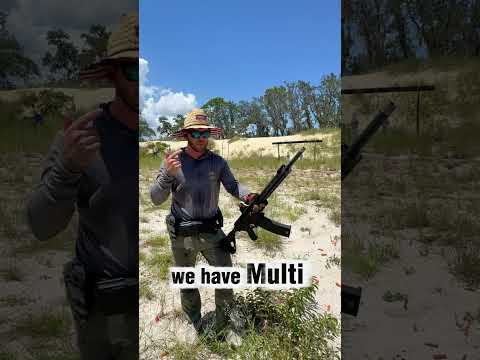
Maybe Lexo is right?? #shorts

Published on January 13, 2025
Duration: 0:30

This video demonstrates a high-volume shooting challenge with a tactical semi-automatic shotgun, highlighting common malfunctions like stovepiping. A key takeaway is the importance of proper shouldering technique ('firm grip') to prevent 'limp-wristing' and ensure reliable cycling of the action, especially during rapid fire. Despite initial jams, the shotgun's recoil is noted as manageable.


Quick Summary

Semi-automatic shotguns require a firm grip and secure shouldering to cycle reliably, especially during rapid fire. Malfunctions like stovepiping often result from 'limp-wristing' or insufficient support, hindering the action's cycling. Correcting stance and grip ensures smoother operation.

Chapters

  1. 00:00The 8-Clay Challenge & High-Volume Shooting
  2. 00:07Shotgun Malfunctions and Recoil Management
  3. 00:19Semi-Auto Reliability Tip: Firm Shouldering
  4. 00:23Successful Rapid Fire After Stance Correction

Frequently Asked Questions

What causes malfunctions in semi-automatic shotguns during rapid fire?

Malfunctions like stovepiping in semi-automatic shotguns are often caused by 'limp-wristing' or insufficient shoulder support. This means the shooter isn't holding the firearm firmly enough, preventing the action from cycling correctly.

How can I improve the reliability of my semi-automatic shotgun?

Ensure you maintain a firm grip and shoulder the shotgun securely. This provides a solid platform for the firearm's action to cycle properly, especially during rapid fire sequences, preventing common jams.

Is recoil a major issue with tactical semi-automatic shotguns?

While high-volume shooting can be demanding, the recoil on many tactical semi-automatic shotguns, like the one shown, is often described as manageable. Proper technique and a solid stance help mitigate felt recoil.

What is 'limp-wristing' in firearms?

'Limp-wristing' refers to a shooting technique where the firearm is held too loosely, particularly the wrist. This lack of firm support can prevent the firearm's action from cycling correctly, leading to malfunctions.

Related News

All News →

More Training & Techniques Videos You Might Like

More from American Outlaw

View all →