One Shot Transition Drill

Published on July 31, 2025
Duration: 4:26

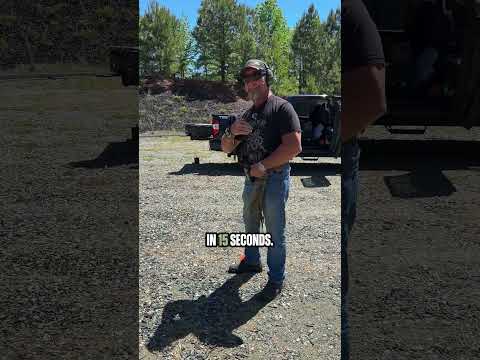
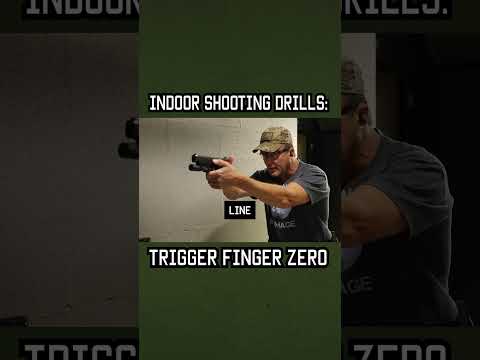
This drill, demonstrated by Hwansik Kim, focuses on rapid target transitions and precise shot placement. The core principle is to exit the target as soon as the trigger breaks, snapping vision and the gun to the next point of aim. It emphasizes assessing the precision of the stop on the next target, identifying issues like swirling dots (poor vision focus/mobility) or sweeping motions (excessive shoulder tension).


Quick Summary

The One Shot Transition Drill focuses on exiting the target as fast as possible after the trigger breaks and precisely acquiring the next target. Key to this drill is snapping your vision and the gun to the next point of aim immediately upon trigger break, assessing the precision of your stop on the new target.

Frequently Asked Questions

What is the primary goal of the One Shot Transition Drill?

The One Shot Transition Drill aims to improve your ability to exit the target as fast as possible after a shot and precisely acquire the next target. It emphasizes snapping your vision and the gun to the next point of aim immediately as the trigger breaks.

How can I assess my performance in the One Shot Transition Drill?

Assess your performance by observing the precision of your stop on the next target. A clean, precise stop indicates good vision focus and mobility. Swirling dots suggest issues with finding the spot quickly, while sweeping motions might point to excessive shoulder tension.

What is the correct timing for transitioning between targets in this drill?

The correct timing is 'trigger break exit.' This means your vision and gun should move the instant the trigger breaks, as the bullet has already left the barrel. Waiting to see recoil confirmation introduces a significant delay.

What common mistakes should I avoid during the One Shot Transition Drill?

Avoid waiting to see the red dot's recoil path before transitioning, looking at the entire target instead of a small aiming spot, and tensing your shoulders excessively. These errors lead to slower transitions and reduced accuracy.

More Training & Techniques Videos You Might Like

More from Hwansik Kim

View all →