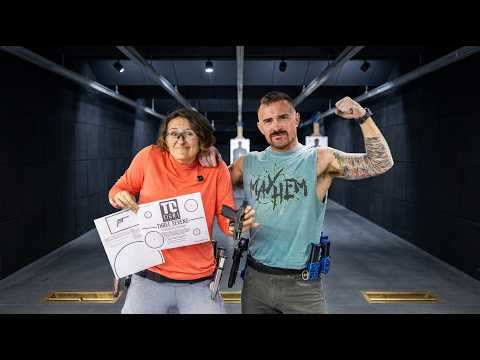
Practical Pistol Show 185 - Sponsoring a Match is dumb?

Published on March 2, 2017
Duration: 44:18

This episode of the Practical Pistol Show features a discussion on dry-fire practice, sponsorship of shooting matches, and dealing with consistency issues. Ben Stoeger, Matt Hopkins, and Juan Kim share insights on effective dry-fire techniques, the challenges of justifying sponsorship ROI, and strategies for maintaining performance on match days. They emphasize the importance of focused, efficient practice over sheer volume and discuss how physical and mental states impact shooting performance.

Quick Summary

Effective dry-fire practice involves focusing on visual cues, integrating mental walkthroughs, and maintaining consistency by managing physical and dietary factors. For beginners, start with 15-30 minutes daily, prioritizing quality over quantity. Match directors seeking sponsorship should present clear value propositions and avoid pushy tactics.

Chapters

  1. 00:00Introduction and Guest Introductions
  2. 01:41Juan Kim's Shooting Journey
  3. 04:17Topic: Sponsoring a Match
  4. 06:03What Makes a Match Worth Sponsoring?
  5. 07:47Sponsorship as a Net Financial Loser?
  6. 09:09Why Companies Leave the Sport
  7. 10:11Value Beyond Performance: R&D and Personality
  8. 11:33Dos and Don'ts for Match Sponsorship Requests
  9. 13:10The Value of Different Sponsorship Items
  10. 15:50Realistic Sponsorship Expectations
  11. 17:35Don'ts for Sponsorship Requests
  12. 21:22Hating Complicated Sponsorship Processes
  13. 21:55The Role of Personal Relationships in Sponsorship
  14. 25:07Professionalism in Sponsorship Emails
  15. 26:46Transition to Listener Questions
  16. 26:50Question: Dry Fire Consistency and Bad Days
  17. 29:31Juan Kim's Approach to Dry Fire Consistency
  18. 33:43Dealing with Less Consistent Dry Fire Days
  19. 36:09Question: Dry Fire Rest Before Matches
  20. 38:41Dry Fire Duration and Conditioning
  21. 40:20Intensity Over Duration in Dry Fire
  22. 41:27Multiple Dry Fire Sessions
  23. 42:05Efficiency of Learning vs. Practice Amount
  24. 43:33Exploiting Breakthroughs in Dry Fire
  25. 43:37Show Wrap-up

Frequently Asked Questions

What are common reasons for inconsistent performance during dry-fire practice?

Inconsistent dry-fire performance can stem from factors like mental or emotional fatigue, physical exhaustion from a draining day, or dietary influences such as high sugar or caffeine intake. These elements can affect focus and motor control, leading to fumbled reloads or slower transitions.

How can match directors improve their chances of securing sponsorship?

Match directors should craft professional emails clearly stating the value proposition for sponsors, detailing what the company gains in return for their support. Avoiding pushy tactics and making the sponsorship process straightforward are crucial for attracting and retaining sponsors.

What is the recommended duration for daily dry-fire practice, especially for beginners?

For beginners, starting with 15-30 minutes of daily dry-fire is recommended to build hand strength and avoid overexertion. As conditioning improves, this duration can be gradually increased. The focus should be on quality and intensity over sheer volume.

How does visualization and mental rehearsal apply to dry-fire training?

Integrating mental walkthroughs and visualization into dry-fire practice, particularly after making a mistake, helps simulate match conditions. This practice connects the physical actions with the mental preparation needed to overcome errors and maintain consistency on the range.

Related News

All News →

More Training & Techniques Videos You Might Like

More from Ben Stoeger

View all →