Primary to Secondary

Published on April 19, 2026
Duration: 9:40

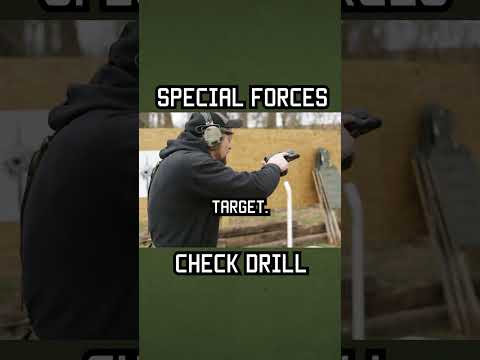
This video demonstrates a critical firearm transition technique from rifle to pistol, emphasizing its application when time, distance, and cover are compromised within 25 meters. The instructor details a controlled method for rotating the primary weapon out of the workspace while drawing the secondary, followed by engaging the threat and then performing reloads on both weapons to maintain readiness. The drill highlights the importance of situational awareness and controlled weapon handling under pressure.

Quick Summary

Transition from your rifle to your pistol when you lack time, distance, or cover within 25 meters. This often occurs due to a rifle malfunction. The process involves safely rotating the rifle out of your workspace while drawing your pistol, engaging the threat, and then performing reloads on both weapons to maintain readiness.

Chapters

  1. 00:04Introduction to Transitioning
  2. 01:03When to Transition: Time, Distance, Cover
  3. 01:18Slow-Motion Transition Demonstration
  4. 02:05Post-Threat Actions: Top-Off Reload
  5. 02:17Securing Primary Weapon & Reassessment
  6. 02:36Drill Repetition
  7. 03:31Importance of Dry Fire Practice
  8. 04:30Different Angle Demonstration
  9. 05:13Safety Consideration: Gun Cook-Off
  10. 06:18Engaging and Holstering Pistol
  11. 07:51High Port High Ready Transition
  12. 08:37Final Reassessment

Frequently Asked Questions

When is it tactically advisable to transition from a rifle to a pistol?

You should transition from your rifle to your pistol when you lack sufficient time, distance, or cover within approximately 25 meters of an enemy threat. This situation often arises from a malfunction or an empty magazine on your primary weapon.

What is the proper procedure for transitioning from a rifle to a pistol?

The process involves recognizing the need to transition, placing the rifle on safe if possible, rotating it out of the workspace, and simultaneously drawing your pistol. Once the pistol is in the fight, engage the threat, then perform a top-off reload on the pistol and secure the rifle.

Why is a 'top-off' reload important after neutralizing a threat with a pistol?

A 'top-off' reload ensures your pistol remains fully loaded and ready for immediate re-engagement. This is crucial for maintaining offensive or defensive capability if the situation evolves or if there are multiple threats.

What safety considerations are important during a firearm transition?

Safety is paramount. Ensure the rifle is moved out of the workspace in a controlled manner to prevent accidental discharge. Always maintain muzzle discipline with both firearms throughout the transition process.

More Training & Techniques Videos You Might Like

More from Trench Grenade

View all →