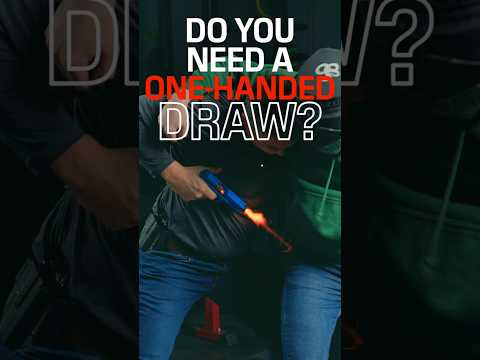
Quickdraw Defender Does Not Shoot

Published on March 30, 2021
Duration: 5:20

This guide, based on analysis from Active Self Protection's John Correia, details techniques for effective firearm deployment and de-escalation. It emphasizes situational awareness, proper draw mechanics including adapting to holding items, the critical role of verbal commands, maintaining tactical distance, and safe holstering practices. The insights are derived from an analysis of a real-world incident, offering practical advice for defensive scenarios.


Quick Summary

Active Self Protection's analysis highlights that a fast firearm draw can establish dominance, potentially preventing the need to shoot. Key techniques include maintaining situational awareness, practicing dropping items to facilitate a two-handed draw, using verbal commands like 'Stop,' and maintaining proper tactical distance to avoid the suspect grabbing the weapon. Safe holstering is also emphasized.

Chapters

  1. 00:00Introduction: Fast Draw Dominance
  2. 00:39Incident Breakdown: Off-Duty Officer Response
  3. 01:35Situational Awareness Analysis
  4. 02:11Draw Mechanics: One-Handed vs. Two-Handed
  5. 02:41Importance of Verbal Commands
  6. 03:14Tactical Positioning Critique
  7. 03:57Safe Holstering Techniques
  8. 04:33Emergency Communication Advice

Frequently Asked Questions

What is the primary benefit of a fast firearm draw according to Active Self Protection?

A fast firearm draw can establish immediate dominance over a suspect, potentially preventing the need to fire the weapon and resolving the situation through control rather than force.

How can holding an item like a phone affect a firearm draw, and what is the recommended practice?

Holding an item can necessitate a one-handed draw. The recommended practice is to train to drop such items quickly to facilitate a faster, more stable two-handed draw.

Why are verbal commands important when drawing a firearm?

Verbal commands, such as 'Stop' or 'Drop it,' are crucial for de-escalation and establishing control over a suspect concurrently with drawing your firearm, aiming to manage the situation without resorting to lethal force.

What tactical error did the defender make in the video regarding distance?

The defender moved too close to the suspect after drawing his firearm. This is a tactical error because it increases the risk of the suspect being able to grab the firearm.

More Training & Techniques Videos You Might Like

More from Active Self Protection

View all →