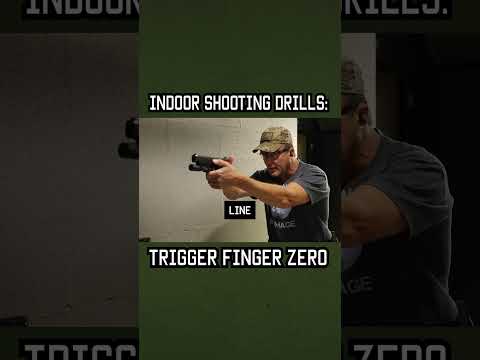
Recreating Shooting Conditions to Diagnose Your Accuracy Issues

Published on March 6, 2026
Duration: 16:03

This video provides a detailed approach to diagnosing and correcting accuracy issues during rapid fire shooting, specifically focusing on the common problem of the second shot in a double-tap going low. Instructor Joel Park outlines drills to help shooters identify subconscious over-input, such as pushing into the gun during recoil, and emphasizes the importance of understanding sight tracking and proper trigger control at speed. The advice is geared towards improving practical shooting accuracy and understanding firearm mechanics.


Quick Summary

The second shot in a double tap often goes low due to subconscious over-input, like pushing into the gun during recoil, as you're pressing the trigger too fast to consciously correct. Drills like the single-shot return and trigger control at speed can help diagnose and fix these issues.

Chapters

  1. 00:00Listener Question: Double Tap Accuracy Issues
  2. 00:38Ground Rules for Predictive Shooting Doubles
  3. 01:51Understanding Rapid Fire Trigger Press
  4. 03:04Observing Muzzle Movement During Rapid Fire
  5. 04:00Diagnosing Sight Dip and Shot Placement
  6. 05:05Addressing the Listener's Specific Question
  7. 05:44The Single Shot Return Drill
  8. 06:37Revisiting the Double Tap Problem
  9. 07:19Misconceptions About Double Taps
  10. 08:44Second Listener Question: Concentric Pattern Expansion
  11. 09:29Analyzing Wide, Concentric Patterns
  12. 11:25Centering the Gun After Each Pair
  13. 13:01Target Quadrant Analysis for Shot Distribution
  14. 13:53Trigger Control at Speed Drill
  15. 15:04Proper Starting Positions for Trigger Drills

Frequently Asked Questions

Why does my second shot in a double tap go low?

The second shot often goes low in a double tap due to subconscious over-input, such as pushing into the gun during recoil. This happens because you're pressing the trigger faster than you can consciously correct, leading to unintentional movements that affect the second shot's accuracy.

How can I diagnose accuracy issues during rapid fire shooting?

To diagnose rapid fire accuracy issues, use drills like the single-shot return drill to observe sight tracking and identify over-correction. Analyzing shot patterns on targets, especially by splitting them into quadrants, can reveal trends in your shot placement.

What is the 'trigger control at speed' drill?

The 'trigger control at speed' drill involves pressing the trigger immediately upon a timer cue, aiming for minimal sight movement. It's crucial to practice this from various starting positions, not just with a pre-pped trigger, to build true control.

What's a realistic group size for rapid fire shooting?

For rapid fire shooting at 7 yards, a fist-sized group is considered a good and realistic benchmark for most shooters. A 10-inch diameter pattern at this distance indicates significant room for improvement in trigger control and recoil management.

More Training & Techniques Videos You Might Like

More from Joel Park

View all →